OEM 1 1 2 inch pipe hanger bracket Factory - Bulk Supply and Specification Guide
The build method decides whether a bulk order can hold the same pipe clearance and mounting geometry from the approved sample through repeat production. For this 1-1/2 inch pipe hanger bracket, the production route is stamped and press-formed steel, with secondary welding only where the drawing calls for it. That route suits repeat orders because blank layout, bend position and hole location can be controlled against a common tool set.
For an importer working toward a retail or project launch, the cost is not just the bracket price. A mismatch between the bracket opening and the actual pipe outside diameter can create installation complaints, returns and warranty claims across a full batch. We confirm the fit dimensions, mounting pattern, material thickness and finish against the buyer’s drawing or approved sample before production tooling and packaging details are released.
What This Product Is and Where It Fits
A pipe hanger bracket supports and positions pipe at a wall, frame or other specified mounting surface. The 1-1/2 inch designation usually refers to nominal pipe size, not the bracket’s finished inside dimension. For standard NPS 1-1/2 steel pipe, the outside diameter is 1.900 inches (48.3 mm); confirm the pipe material and dimensional system before approving the bracket opening.
Installers and distributors use this bracket in plumbing, mechanical and general pipe-support assortments. Exact geometry depends on whether the design holds pipe directly, uses a separate clamp, or attaches through a specified bolt pattern. Those details affect the blank, bends and any welds, so a catalogue description alone is not a sufficient production reference.
Fit rule: provide the pipe outside diameter, required clearance, mounting-hole locations and expected support arrangement. A nominal size without these details can leave the finished bracket too tight after coating or too loose in service.
Size, Weight and Specification Range
Start with the supported pipe and mounting surface, then fix the bracket dimensions. Sheet thickness and bracket profile influence rigidity, forming effort, coating coverage and packed weight. Values below are quoting directions rather than universal limits; the released drawing governs the order.
| Specification | Typical OEM definition | Buyer confirmation point |
|---|---|---|
| Pipe fit | 1-1/2 inch nominal size, with opening set to the specified pipe outside diameter and installation clearance. | Pipe material, actual OD and any insulation or coating at the contact point. |
| Sheet thickness | Often developed within an indicative 1.5-3.0 mm range for stamped steel brackets; final selection depends on geometry and specified load conditions. | Drawing thickness, edge condition and any required load documentation. |
| Mounting geometry | Hole size, spacing, bracket depth and bend angles follow the installation drawing. | Fastener type, substrate and available installation clearance. |
| Unit weight | Calculated from the released blank, thickness, added hardware and coating; confirmed on the approved sample. | Carton weight target and freight or retail pack limits. |
A thickness change can require a forming adjustment and may alter the bracket’s fit after coating. Keep those changes inside the sample-approval loop rather than treating them as a late substitution.
Option Comparison by Usage Level
Finish selection changes corrosion protection, appearance and unit cost. Choose it around the installation environment and expected service conditions, not simply by colour.
General Indoor Distribution
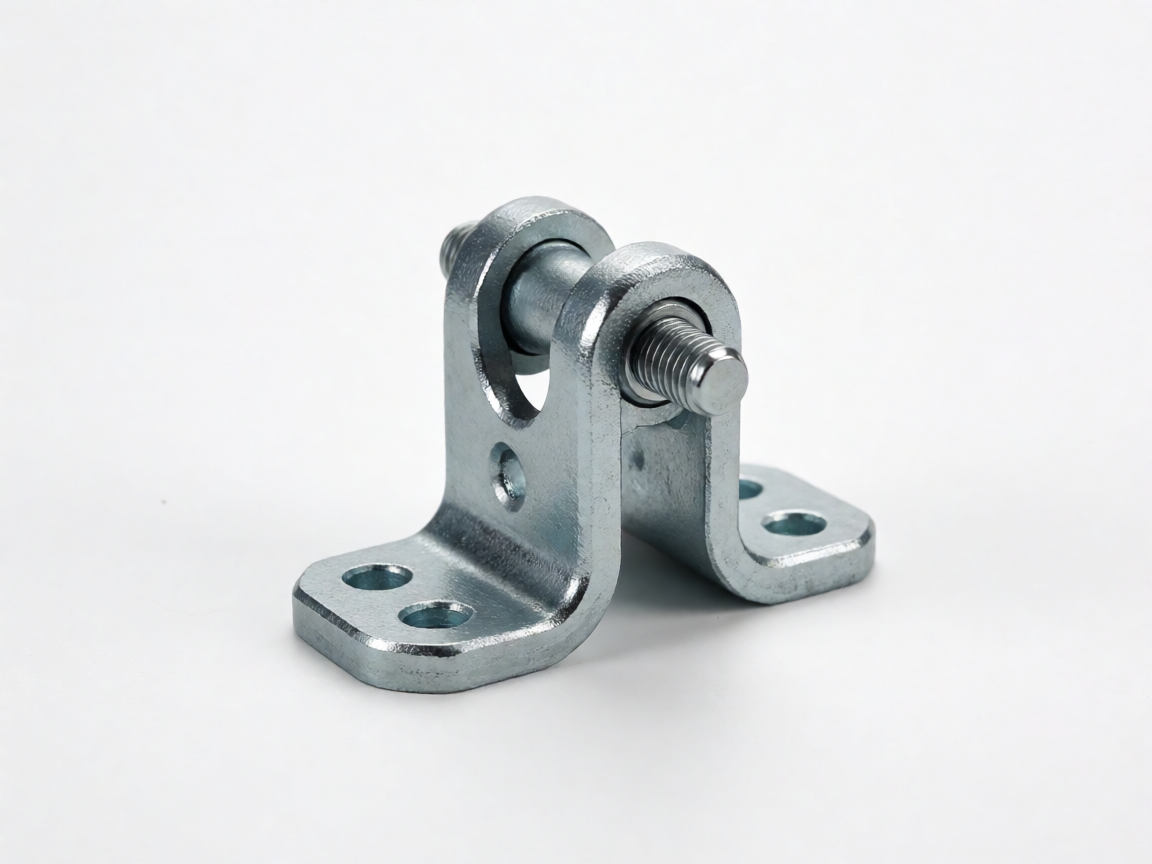
Carbon steel with a specified zinc finish can suit dry indoor service at a lower unit cost than stainless steel. Buyers should define the coating appearance and coverage requirement, particularly around cut edges and formed areas.
More Demanding Exposure
For damp or corrosive settings, specify a compatible protective finish or stainless-steel grade based on the installation environment. Material and finishing cost rise, but the choice can reduce coating-related claims when the bracket is exposed to moisture or chemical contact.
Tool wear, inconsistent bends or coating buildup can shift fit across a run. For private-label replenishment, keep the material grade, finish description and approved sample tied to the same revision so a reorder does not quietly change the product buyers receive.
Working as a Production Partner, Not a Catalogue Supplier
First-article tooling determines how closely repeat parts follow the approved dimensions. For a new OEM design, the factory can review the flat pattern, bend sequence, hole positions and weld locations before committing to production tooling. A sample approval then gives procurement, engineering and the factory one physical reference for the batch.
Production checks can be set around drawing-critical dimensions, hole spacing, formed profile, visible weld condition where applicable, and finish coverage. Agreed checks should use the same reference points as the released drawing; that makes dimensional drift easier to identify before packed stock reaches a distributor or project site.
| OEM choice | Available definition | Production reference |
|---|---|---|
| Material and finish | Carbon steel or specified stainless steel; agreed zinc or painted finish where applicable. | Approved drawing, material description and finish sample. |
| Branding and marking | Part number, label, carton mark or other buyer-supplied identification. | Approved artwork and placement before bulk packing. |
| Packing format | Bulk carton or separated units, subject to finish protection and distribution needs. | Approved pack sample, quantity per carton and shipping marks. |
For a launch-date order, lock the drawing revision, sample sign-off, artwork and carton specification before the production slot is confirmed. Late changes to hole layout or finish can require tooling or process revisions and put dispatch timing at risk.
Export Packaging and Handling Protection
Steel brackets can rub against one another during transit, marking the finish or exposing cut edges. Use dividers, sleeves or a suitable inner pack where the approved finish is vulnerable to abrasion; select carton strength and pack count around the unit weight and handling route.
Before shipment, confirm carton quantity, gross weight, shipping marks and any retail label placement against the buyer’s booking documents. For distributor stock, consistent part identification and batch references help receiving teams separate revisions and manage replenishment without mixing unlike specifications.
Request a production sample against your pipe dimensions and mounting drawing before placing the bulk order. Send the required finish, label artwork and export packing details with the inquiry so the sample and quotation reflect the intended shipment.