heavy duty pipe holders top factory - Bulk Supply and Specification Guide
When a brand extends an existing range, the first warranty complaints often come from a small mismatch: a clamp ID that pinches the pipe coating, a mounting hole that no longer lines up, or a finish that wears through at the contact point. Those faults can turn a low unit price into repeat replacements and field service. For OEM and private-label orders, controlled dimensions and a stable build specification matter as much as the steel grade.
The Problem Buyers Keep Paying For
A holder that fits one sample can still fail across a production run if forming spring-back, weld placement, or coating build varies. The result is usually visible at installation: uneven clamp closure, shifted holes, loose hardware, or excessive force needed to seat the pipe.
For a procurement team, these defects carry costs beyond the replacement part. Installers lose time sorting mixed batches, distributors handle returns, and private-label buyers absorb claims that trace back to an unrecorded material or tooling change. Agree the pipe outside diameter, mounting interface, allowable clearance, and finish before the first production lot; nominal pipe size alone does not define the holder’s internal fit.
The economical choice is the specification that matches the actual load path and environment. A thicker bracket can raise piece price and shipping weight without solving a poor anchor connection or an incorrect clamp diameter.
Materials and Construction Trade-offs
Indoor dry installations commonly use formed carbon-steel bodies with a protective coating. Where condensation, washdown, or outdoor exposure is expected, stainless steel or a more protective finish may be worth the added material and processing cost. Select by exposure and contact conditions rather than by the word “heavy duty.”
A stamped or roll-formed body suits repeat profiles and larger runs; a welded assembly allows more bracket geometry but adds weld locations that need inspection. Optional elastomer liners can reduce metal-to-pipe contact and help accommodate minor surface variation. Their thickness and hardness affect closure and fit, so approve the holder with the intended liner fitted.
Formed Carbon Steel
A practical cost choice for repeat profiles in controlled indoor conditions. Specify coating coverage at cut edges and formed corners, where thin coverage can expose steel first.
Stainless Steel or Lined Builds
Consider these for corrosive exposure or sensitive pipe surfaces. They raise material cost and may change the closure gap, so review the assembled fit rather than approving the metal part alone.
Size, Weight and Specification Range
Clamp dimensions should follow the measured pipe outside diameter and the required installation clearance. A nominal pipe designation may not match the actual outside diameter across material types or supplier systems. Set the mounting-hole pattern and fastener size from the mating structure, then validate the full assembly before freezing the drawing.
Fit Range
Common custom programs cover clamp IDs from roughly 15–150 mm; confirm the project range against measured pipe OD.
Body Thickness
About 1.5–3.0 mm is a typical design window; geometry, steel grade, and load case determine the final gauge.
Part Weight
Small brackets may weigh tens of grams; larger assemblies with liners and fasteners can reach several hundred grams.
The figures below are scoping references, not a load rating. Final dimensions and weight depend on the formed profile, mounting arrangement, liner, and hardware included in the sale.
| Specification | Typical Scope | Durability and Fit Consideration |
|---|---|---|
| Clamp internal diameter | Roughly 15–150 mm for common custom programs | Confirm against actual pipe OD and any liner; a tight fit can damage coatings or prevent closure. |
| Body material and thickness | Carbon steel or stainless steel; commonly about 1.5–3.0 mm | Gauge alone does not establish capacity; profile, support spacing, fasteners, and substrate affect the assembly. |
| Finished part weight | From tens to several hundred grams, depending on size and included hardware | Track weight by approved configuration; unexplained drift can indicate a material or forming change. |
Quality Control and Batch Consistency
Moving from sample orders to container loads changes the risk profile: small variation in a bend or hole position becomes a sorting problem across many cartons. A controlled OEM program keeps the approved drawing, material specification, finish, liner, hardware, and inspection limits tied to one revision. Changes to coil source, die setup, weld sequence, or coating process should be reviewed before they reach a repeat order.
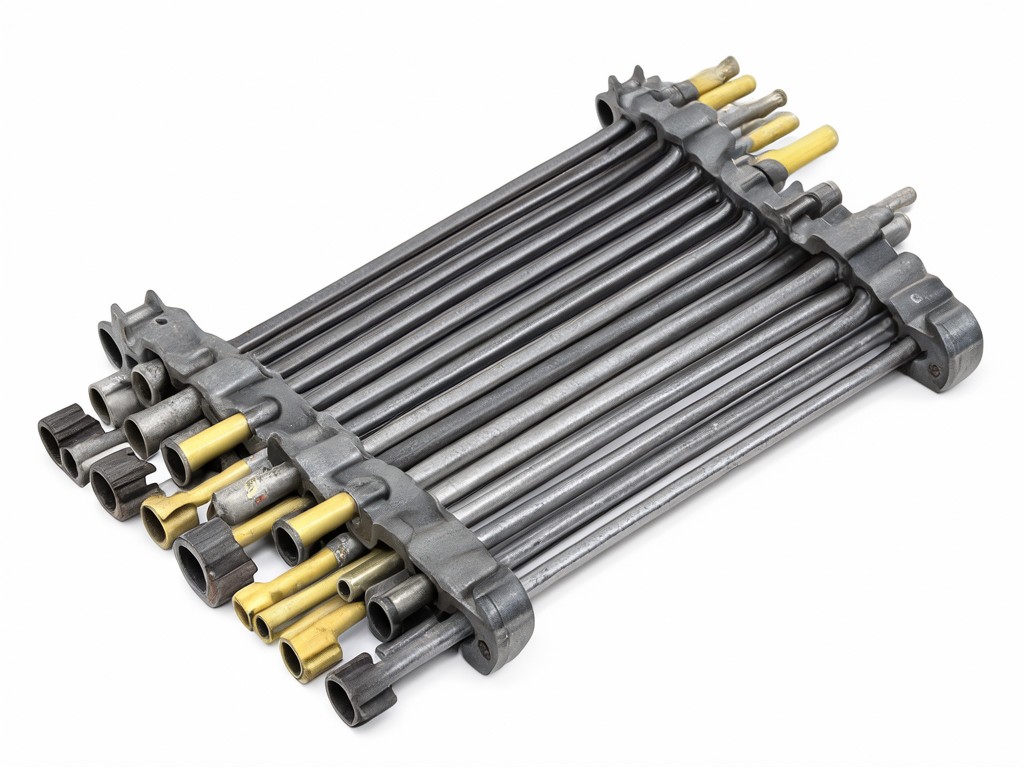
Production checks should compare parts with the approved sample and master dimensions, not only with the shop drawing. First-off approval after setup catches spring-back and fixture shifts early. For recurring lots, recorded measurements and batch identification help locate whether a complaint relates to one production window or a wider specification issue.
- Use a dedicated go/no-go or profile fixture for clamp ID where the fit tolerance is narrow.
- Check mounting-hole position from the same datum on every batch.
- Keep material and finish records linked to the purchase order and production lot.
Inspection Items and Test Methods
Inspection should reflect how the holder is installed and what failure the buyer needs to prevent. Dimensional checks catch poor seating; visual checks find burrs, coating gaps, and weld irregularities. Where a load requirement applies, agree the test setup, direction, support spacing, and acceptance criteria before quoting a pass/fail result.
Load limit note: A clamp’s performance depends on the complete installation, including anchors, substrate, pipe span, and load direction. Do not treat body thickness or a factory pull test as a universal system rating.
A practical inspection plan can include incoming material identification, first-piece and in-process dimensional checks, weld and edge review, coating appearance checks, and an assembly fit check with the specified pipe or gauge. For a project-specific load test, use a representative setup and document the applied force and observed deformation. Avoid comparing results from different fixtures as if they were equivalent.
Keeping Repeat Orders Supplied
During a private-label launch with a fixed ship date, a late specification change can disrupt both production and brand approval. The safer supply plan is to freeze the drawing, finish, branding location, and included hardware before the bulk order. For repeat programs, forecast the active sizes and retain the approved production file so the factory can quote the same configuration rather than reinterpret a sample.
Common steel and finish combinations may be easier to replenish than a low-volume custom colour or uncommon liner. Buyers can reduce reorder friction by confirming which sizes are recurring, which options need separate stock, and whether substitute hardware is prohibited. A modest unit-price saving is rarely useful if a component change creates mixed fit or appearance across a retail range.
Care, Storage and Service Life
In service, corrosion commonly starts where a coating is chipped or water remains at a contact edge. Match finish selection to humidity, cleaning chemicals, and outdoor exposure; inspect contact surfaces during maintenance, especially on installations that vibrate or experience repeated temperature changes.
| Finish or Colour | Suitable Use | Buyer Check |
|---|---|---|
| Powder-coated carbon steel; standard colour from the agreed palette | General indoor installations where appearance and edge coverage matter | Approve colour against a physical sample and inspect corners, cut edges, and masked areas. |
| Zinc-coated steel, where offered | Applications needing a metallic protective finish without a coloured topcoat | Confirm finish process and cut-edge expectations for the intended exposure. |
| Stainless steel, uncoated or with an agreed surface treatment | Moist or corrosive environments where the grade is selected for the actual conditions | Specify the steel grade and surface appearance; “stainless” alone does not define corrosion performance. |
For stored inventory, keep parts dry and separated from abrasive metal edges. Do not stack coated holders in a way that lets fasteners or sharp flanges scrape the finish. If a liner is supplied, store it away from prolonged heat and direct sunlight unless the material is specified for those conditions.
Questions Buyers Ask Before Ordering
What information is needed to confirm the clamp size?
Provide the pipe outside diameter, pipe material or coating, required clearance, mounting-hole pattern, and any liner details. A sample pipe or dimensioned drawing helps confirm fit where nominal pipe size does not define the actual OD.
Can the factory match an existing private-label sample?
Yes, subject to drawing and material review. A sample helps assess shape and assembly, but it should be measured and approved against a controlled specification before bulk production. Share the intended brand mark, placement, colour reference, and any marking restrictions for review.
What drives the minimum order quantity?
Tooling, setup, material purchasing, and finish batch size all affect the minimum. Existing tooling and standard finishes may support a lower starting quantity than a new profile, custom colour, or non-standard liner. Confirm the cost split between tooling and unit price before approving a new size.
How should load performance be specified?
State the pipe mass, support spacing, load direction, installation substrate, and fastener arrangement. The factory can then review a representative test setup; the result should not be used as a system rating outside the stated conditions.
Review the Specification Before the Bulk Run
Share the drawing or sample, pipe dimensions, finish choice, and private-label artwork for a specification review. Resolving fit and branding details before production helps limit batch variation, return claims, and avoidable rework.
Request an artwork and branding review