Direct Factory split ring clevis pipe hangers Solution: What Buyers Should Check Before Ordering
Agree the pipe outside diameter, ring closure, clevis geometry and finish before production. A lower-cost carbon-steel hanger can suit a dry indoor run; exposure to moisture or chemicals may justify a different coating or stainless steel, but the full assembly and service conditions must be reviewed together.
Consistency depends on the approved drawing matching the actual pipe outside diameter and the installation arrangement. For importers and private-label buyers, confirming those details against a production sample helps limit fit-related returns on repeat orders.
What This Product Is and Where It Fits
A split ring clevis pipe hanger supports a stationary pipe from an overhead threaded rod. The split ring closes around the pipe; the clevis connects the ring assembly to the rod. Mechanical, plumbing and HVAC distributors commonly source these hangers for commercial pipe runs where the pipe size, support spacing and suspension hardware are defined by the project.
It is a support component, not a pipe anchor, guide or seismic restraint. Confirm the intended function and the connected rod, nut and attachment details in the purchasing specification. Those parts may be supplied separately, so a drawing should identify what the hanger order includes.
How It Performs in Use
Deflection under load governs how the hanger behaves in service. Ring thickness, clevis shape, fastener engagement and rod alignment all affect how the assembly carries the pipe load. The allowable load must come from the selected product design and project requirements; it should not be inferred from appearance or from the nominal pipe size alone.
Fit and Closure
A ring sized to the specified pipe outside diameter closes without forcing the pipe or leaving excessive clearance. Check the opening, screw position and pipe-contact edges on the approval sample; a poor fit can complicate installation or mark a coated pipe.
Suspension Alignment
The clevis and threaded rod should align with the installation drawing. Side loading, an unsuitable rod connection or a mismatch between hanger width and pipe arrangement can change how the assembly carries force.
Material Options and Their Trade-offs
Finish selection affects purchase cost and suitability for the installation environment. State whether coating applies to the formed parts before or after fabrication, and include the clevis and fasteners in the finish discussion. Otherwise, components in one assembly may have different corrosion protection.
| Material or finish | Typical selection basis | Buyer trade-off to confirm |
|---|---|---|
| Carbon steel with electroplated zinc | Dry indoor service where a plated finish meets the project requirement. | Often a cost-conscious choice; verify coating coverage at edges and fabricated areas. |
| Carbon steel with hot-dip galvanizing | Installations where the specified environment calls for a galvanized coating. | Coating thickness can affect fit and thread engagement; approve dimensions and finish together. |
| Stainless steel, such as 304 or 316 where specified | Projects that require stainless construction based on the site environment and purchasing specification. | Higher material cost; confirm grade for the full assembly and compatibility with connected hardware. |
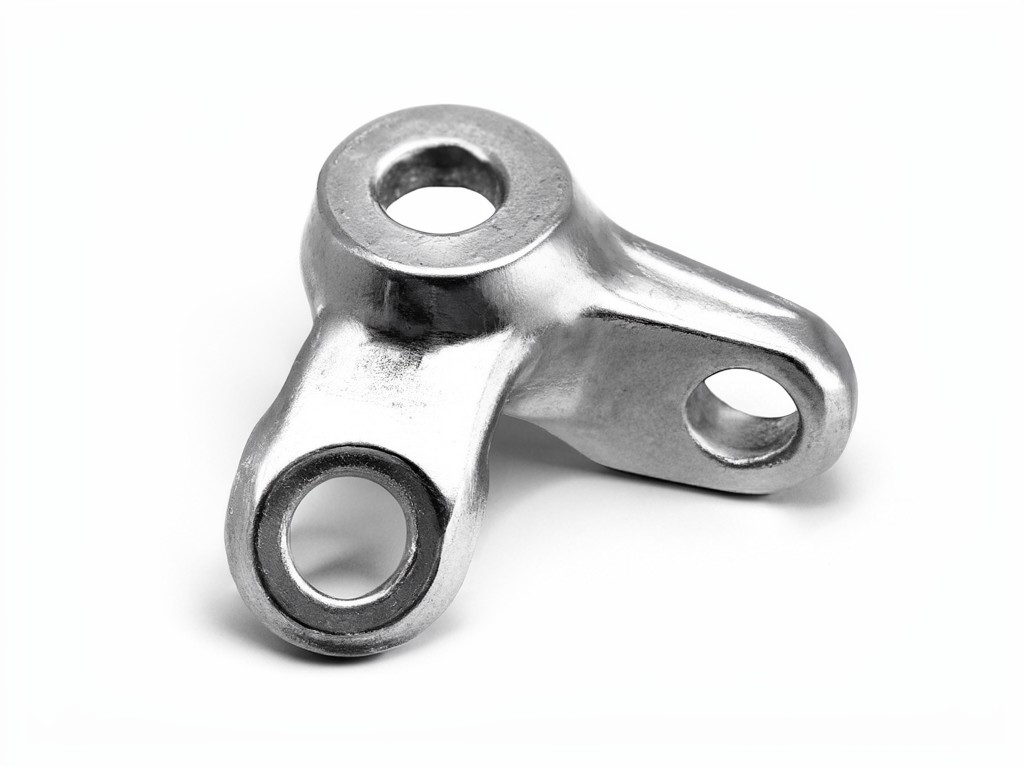
Coating choice alone does not establish suitability for a corrosive or wet environment. Share the site conditions and any project-specific finish requirements before quoting, especially if the hanger is paired with hardware made from another material.
Size, Weight and Specification Range
Balance and load analysis shows whether the selected ring, clevis and rod interface suit the pipe arrangement. Specify nominal pipe size and actual outside diameter separately where pipe material or insulation changes the fit. Record ring inside dimensions, steel thickness, clevis width, hole or thread details, and the intended threaded-rod size on the controlled drawing.
There is no single universal weight or dimensional range across manufacturers and configurations. Weight changes with ring diameter, section thickness, clevis design and finish. For repeat orders, set drawing tolerances for the fit-critical dimensions, identify the weighing method if carton weight matters, and require written approval before a change to material, tooling or coating.
Before production, compare the marked drawing with a physical sample. Confirm ring closure, clevis-to-ring connection, rod interface, finish, packaging identification and any private-label artwork; keep the approved sample and revision reference with the purchase record.
Option Comparison by Usage Level
For cost control, match the construction to the specified service rather than applying one finish across every item in a range. The comparison below is a purchasing guide, not a substitute for the project load calculation or environmental requirement.
| Inspection point | Factory or buyer check | Acceptance basis to agree |
|---|---|---|
| Dimensions and fit | Measure ring inside dimensions, clevis geometry and connection features against the approved drawing; trial-fit a sample to the specified pipe or gauge. | Drawing tolerances and sample-fit criteria agreed before production. |
| Fabrication and closure | Inspect formed edges, joints, fastener engagement and ring closure; check for burrs or visible distortion. | Approved sample and agreed visual criteria, with any functional checks stated on the order. |
| Coating and identification | Review finish coverage and appearance; verify labels, batch identification and artwork against the approved file. | Specified finish, approved artwork revision and agreed packaging details. |
A basic indoor specification can keep unit cost down when the environment permits it. For harsher service, price the required finish or stainless material against the expected exposure and confirm the complete assembly, rather than comparing the ring material alone.
Setup, Use and Replacement Parts
Install the hanger with the specified rod and connection hardware, and keep the assembly aligned with the project layout. Do not use ring closure to force an incorrectly sized hanger onto a pipe. The installer should follow the project’s support spacing, load and tightening requirements; the hanger itself does not replace those instructions.
During maintenance, inspect for loosened fasteners, coating damage, corrosion, deformation and contact marks on the pipe. Replace a damaged hanger or fastener with a part that matches the approved material, dimensions and finish. Keep replacement screws, nuts or other service parts tied to the original drawing revision so a later reorder does not introduce a thread or fit mismatch.
To review drawings, sample approval, inspection criteria or private-label packaging for a planned order, discuss the project with our team before the production specification is released.