Specifying ce/iso/ul certified mss sp 58 69 pipe hangers and supports china factory for Wholesale and OEM Orders
What This Product Is and Where It Fits
Deflection under load governs pipe-hanger selection. These fabricated steel components connect piping to building structure, carry specified dead loads, and accommodate the support conditions shown on project drawings. Common products include clevis hangers, pipe clamps, riser clamps, and trapeze-support components.
For an importer matching a private-label specification, the controlling details are the pipe-size range, load requirement, rod or attachment interface, material, finish, and drawing revision. MSS SP-58 and MSS SP-69 are relevant references for hanger and support design and selection; the project specification must state which editions and requirements apply.
Design Constraints Behind the Specification
The interface between parts determines whether a hanger fits the installation without field alteration. Confirm pipe outside diameter or nominal size, rod diameter and thread, attachment geometry, and clearance as a matched set. A correct clamp paired with the wrong rod connection can delay installation just as surely as an incorrect clamp size.
Load capacity depends on the complete assembly, not on plate thickness alone. Material grade, formed geometry, weld size, fasteners, support spacing, and the building attachment all affect the allowable load. Thermal movement, vibration, insulation thickness, and exposure to moisture also change the required construction or finish. A factory can hold a drawing dimension; it cannot certify a system load without the design basis and defined test or calculation method.
Material Options and Their Trade-offs
| Construction choice | Where it fits | Buyer trade-off |
|---|---|---|
| Carbon steel with electrogalvanized finish | Dry indoor mechanical spaces where the project finish specification permits it | Usually lower material and coating cost; coating damage and exposure conditions need review. |
| Carbon steel with hot-dip galvanized finish | Projects that specify a heavier zinc coating for more exposed service | Adds coating cost and can affect thread fit or mating clearances; specify coating and post-coating requirements. |
| Stainless steel | Corrosive or washdown environments when the specified grade suits the exposure | Higher input cost; grade, fastener compatibility, and galvanic contact require review. |
A change in base metal or coating is not a cosmetic substitution. It can affect unit price, forming and welding controls, thread engagement, corrosion performance, and inspection scope. Lock the material and finish in the approved drawing and purchase specification before production.
Size, Weight and Specification Range
Balance and load analysis shows why a generic “pipe hanger size” is not enough for quoting. Size is defined by the pipe dimension and hanger geometry; load limits depend on the component design and its installation arrangement. For private-label repeat orders, provide a controlled drawing or schedule rather than relying on a catalogue description alone.
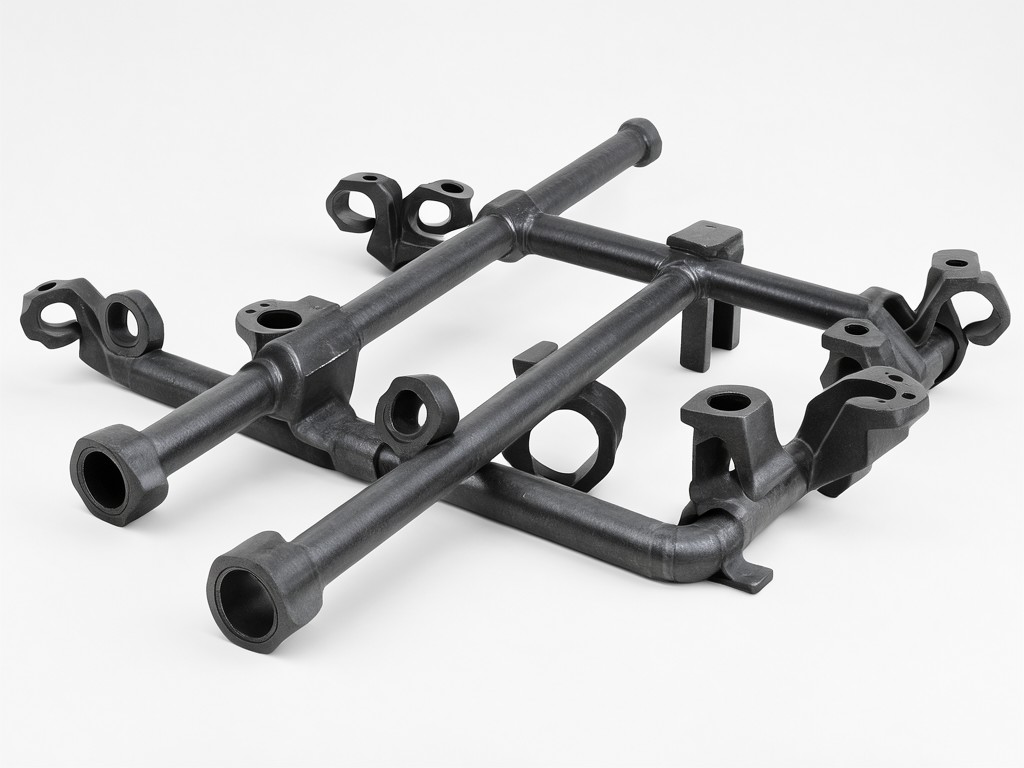
- Specify the applicable nominal pipe size and, where needed, the actual outside diameter and insulation clearance.
- Record plate or rod dimensions, hole locations, thread form, bend geometry, and tolerances on the released drawing.
- Treat piece weight as a checked production characteristic, not a substitute for a rated load. Weight changes can flag a material, thickness, or forming deviation.
- Set the approved finish, marking, packaging quantity, and any project-specific load documentation by SKU.
Assumptions Buyers Should Stop Making
A “CE/ISO/UL certified” phrase does not establish that every hanger in a factory catalogue carries each approval. ISO certification commonly applies to a management system; CE marking applies only when relevant legislation covers the product; UL listing or recognition is tied to defined products, configurations, and conditions. Ask for the certificate or listing scope, issuing body, validity, and matching product identification before using any mark or claim.
Likewise, citing MSS SP-58 or MSS SP-69 does not settle every dimension, load, material, or finish. The purchase documents must identify applicable editions and project deviations. A supplier should not substitute a nominally similar part or apply a certification mark without documentation that covers the supplied SKU and intended use.
Who Uses It and Where It Matters
Mechanical contractors use these supports in commercial building services, where hanger spacing and attachment details must match the piping drawings and site structure. Industrial maintenance teams need replacement clamps and support parts that match installed pipe sizes, connection geometry, and exposure conditions; an approximate fit can create rework or a changed load path.
Contractor Supply
Distributors supplying HVAC and plumbing contractors benefit from consistent part numbers, finish definitions, carton counts, and revision control across repeat releases.
Industrial Replacement
Importers serving plant maintenance teams should confirm corrosion exposure, insulation, movement, and attachment details before repeating a replacement order.
Inspection Items and Test Methods
Inspection starts with the approved drawing and the agreed acceptance plan. Production checks can cover material identification, thickness, formed dimensions, hole position, thread fit, weld appearance, coating coverage, and piece weight. The test method and sampling level should be agreed before the first production lot.
- Use dimensional gauges or calibrated measuring tools for critical fit dimensions and attachment interfaces.
- Check welds visually against the approved workmanship criteria; use additional examination only where the drawing or contract requires it.
- Verify coating type and coverage against the specified process. Salt-spray testing is appropriate only when the buyer defines the method, duration, and acceptance criteria.
- Conduct load testing only to a defined fixture, loading direction, duration, and acceptance limit. A test on one configuration does not automatically qualify other sizes or assemblies.
Retain inspection records by lot and drawing revision. That traceability helps an importer distinguish a production deviation from a specification change when a reorder or site complaint arises.
Volume Planning and Lead Time
Tooling and setup determine how volume changes unit cost. A stable, repeated geometry can spread fixture, setup, and inspection costs across a larger run. New hole patterns, forming details, or multiple finish variants add approval steps and may require separate production setups. Mixed-SKU orders can also extend the schedule if materials or coatings move through different processes.
For a dependable quote, send the released drawing, annual and initial order quantities, material and finish requirements, inspection plan, packaging details, and target delivery window. Confirm sample approval and any tooling charge before the production slot is set; lead time depends on material availability, coating route, order mix, and approval turnaround.
If you are matching an existing private-label specification, request a drawing and certification-scope review before placing the order. Send the specification for review with the required quantities and target schedule so the factory can identify open dimensions, process assumptions, and documentation gaps before quotation.