Buy industrial riser clamp pipe supports Factory Sale - Bulk Supply and Specification Guide
What This Product Is and Where It Fits
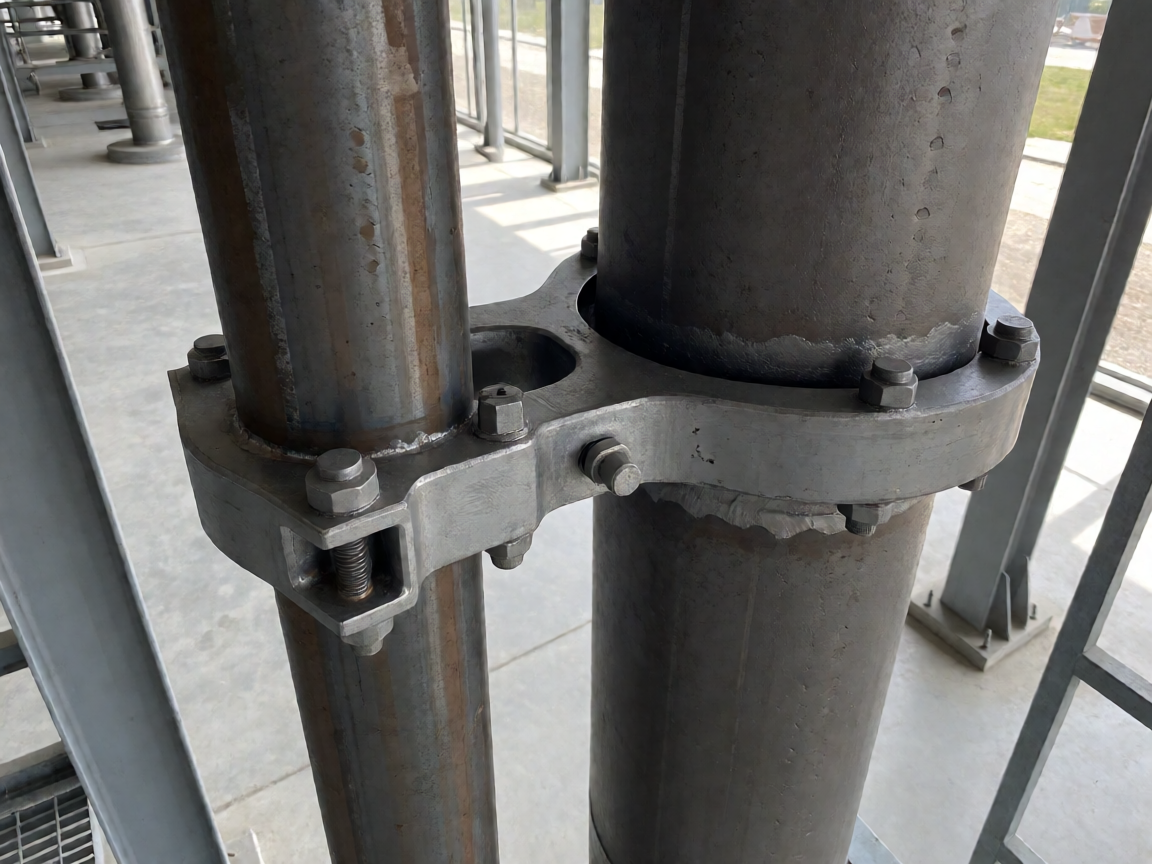
Repeat loading drives the failure when a riser clamp has poor fit, uneven bearing or fasteners that loosen under service conditions. For OEM and private-label buyers, those defects can turn a low unit price into site returns, replacement freight and warranty administration. A riser clamp typically encircles a vertical pipe and transfers its load to a supporting floor or structural surface through its bearing points.
It is a support component, not automatically a guide or anchor for every pipe system. Pipe outside diameter, support spacing, pipe contents, temperature movement and the supporting structure all affect selection. The approved drawing and installation design must establish the intended load path and use; a clamp should not be assigned a load rating by appearance alone.
Design Constraints Behind the Specification
Fit first: confirm the pipe outside diameter and clamp geometry before comparing steel thickness or finish. A nominal pipe size alone may not define the fit where pipe material, schedule or coating changes the actual outside diameter.
Clamp width and section thickness affect bearing area, stiffness, mass and forming cost. Increasing thickness can limit distortion under the specified load, but also raises material use and may change how the halves close around the pipe. Fastener size, hole position and thread engagement must match the approved assembly; a mismatch can create uneven closure or concentrated contact that marks the pipe.
Carbon steel can suit cost-sensitive orders when the specified finish and service environment align. Stainless steel or a different protective finish may be appropriate where corrosion exposure drives the purchase, with a corresponding effect on material cost and lead-time planning. The selection should be tied to the actual environment and maintenance expectations, not to a finish name alone.
Construction Method and Its Effect on Consistency
Formed Steel Clamp Halves
A stamped or formed steel route suits repeat geometries and volume orders. Tooling controls the profile, while sheet thickness and forming setup affect closure, symmetry and bearing contact. Tooling charges may be offset by lower piece cost on repeat runs.
Fabricated or Lower-Volume Builds
A fabricated route can reduce dedicated tooling needs for lower quantities or drawing changes. It may involve more manual setup and dimensional checks, so the piece price and batch-to-batch variation should be reviewed against the expected reorder volume.
For either route, the production sequence can include blanking or cutting, forming, hole production, any specified joining operation, surface treatment and assembly with the nominated fasteners. The process plan should match the released drawing. Changes to material thickness, hole location, finish or fastener supply require review before a repeat order enters production.
Measured Performance in Real Use
- Clamp fit is checked against the approved dimensions and, where agreed, a representative pipe or fit gauge. This catches closure problems that a visual check alone can miss.
- Bearing surfaces and formed profiles are inspected for distortion, burrs and uneven contact. Poor contact can shift load to a small area and accelerate wear or pipe-surface damage.
- Fastener fit can be checked for thread engagement, hole alignment and assembly clearance. Any tightening torque requirement must come from the approved design or installation instructions.
- Coating coverage and finish condition are reviewed against the purchase specification. A coating-thickness check or corrosion test can be included when the agreed specification calls for it.
- Load or proof testing is meaningful only against a defined assembly, fixture, loading direction and acceptance criterion. Buyers should approve those conditions before treating a test result as a product rating.
The useful comparison is not simply the lowest price per clamp. It is the cost of a clamp that fits the pipe, holds its specified geometry and arrives with the finish and hardware agreed for that batch, weighed against inspection, replacement and claim costs.
OEM and ODM Programme Structure
Repeat orders stay closer to the approved sample when the buyer and factory work from one controlled specification. Share the pipe dimensions, clamp drawing, material and finish requirements, fastener details, intended support arrangement and any stated acceptance limits. If a supplied sample is the reference, identify the dimensions and features that must remain unchanged.
An OEM programme can retain the buyer’s established design and purchasing specification. An ODM review can assess manufacturability, forming approach and tooling needs before a design is released. For private-label supply, agree where the product or accompanying identification is marked, if marking is required, and approve the artwork or layout before production. Keep revision control clear; an untracked drawing update can create mixed specifications across reorders.
How Consistency Is Held Across Batches
Set the inspection plan against the features that affect fit and load transfer: material identity and thickness, formed dimensions, hole positions, joining quality where applicable, fastener fit and finish. Record the drawing revision and batch identification so a returned part can be linked to its production lot.
Initial approval should establish the measurement points and acceptable limits before bulk production. During manufacture, in-process dimensional checks can reveal tool drift or setup changes earlier than final inspection. Final checks then confirm the agreed features, while any sampled assembly or load test follows the written test method rather than an informal shop-floor judgment.
For repeat supply, retain the approved drawing, finish reference, inspection record and any accepted sample reference under the same revision. That control gives procurement a defensible basis for investigating a fit complaint and helps prevent a substitute material or finish from entering a reorder without approval.
Capacity, Tooling and Scheduling
| Order stage | Lead-time basis | MOQ basis |
|---|---|---|
| Drawing review and sample approval | Quoted after review of drawing completeness, sample needs and any new tooling. | Set by prototype route, material availability and tooling requirements. |
| First bulk production | Confirmed against approved sample, material procurement, finish route and current capacity. | Confirmed by material, finish, production setup and order quantity. |
| Repeat order | Scheduled after revision confirmation and capacity review; changed specifications may require a new approval cycle. | Reviewed against the established production lot size and any material or finish minimums. |
Tooling investment is easier to assess when the expected reorder volume and drawing stability are known. Send the current drawing and target quantity for a capacity, MOQ and schedule review. Include the intended branding or product-marking layout if it forms part of the OEM approval.
Request an Artwork and Branding Review
Share your clamp drawing, material and finish requirements, expected order volume and any marking artwork. The team can review specification gaps, sample approval needs, MOQ and scheduling before the purchase order is released.
Submit a product and branding enquiry