customized flat u bolt clamp supplier: What Buyers Should Check Before Ordering
Material choice starts with the conditions the clamp will meet. Zinc-plated carbon steel suits many dry, indoor installations; hot-dip galvanized finishes are used where outdoor exposure calls for a heavier coating, while stainless grades may be specified for wet or corrosive service. For an importer qualifying a second source, the key is to match the approved material and finish alongside the geometry, so a lower unit price does not lead to fit complaints or premature corrosion.
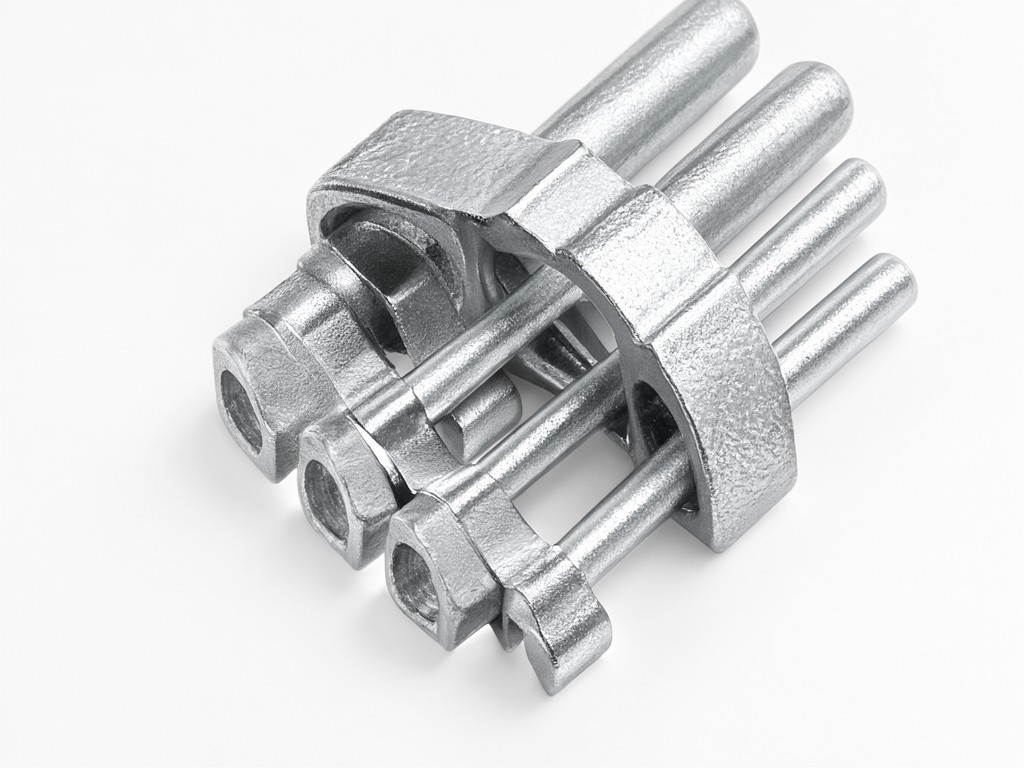
A flat U-bolt clamp commonly combines a formed, threaded U-bolt with a flat plate or strap that bears against a pipe, tube, or other specified member. Fit depends on the application drawing: outside width, inside clearance, leg length, rod diameter, thread, and plate details all affect assembly.
Where Cheaper Alternatives Fall Short
A small geometry change can create a costly installation problem. If the bend is too narrow, the clamp will not clear the pipe; if it is too wide, the assembly may shift before the nuts take up. Unequal leg lengths can leave limited thread engagement on one side, while a thin or poorly formed plate may dish under tightening and concentrate pressure at its edges.
Low-cost substitutions also tend to show up in the finish and threads. Thin plating can wear through during handling, rough threads can bind or cross-thread, and inconsistent bend positions can make repeat installations harder for maintenance crews. Compare the complete part specification and sample—not just rod diameter and unit price—before approving a second source.
- Check whether the stated dimensions refer to inside width, outside width, or center-to-center spacing.
- Confirm that nut engagement remains adequate after the plate and any washers are installed.
- Review finish coverage at the bend and threaded ends, where handling and forming can expose weak points.
How It Performs in Use
Fit and load path are linked. The U-bolt legs and nuts draw the flat plate toward the supported member; the plate spreads contact across its bearing area. Clamp performance depends on the full assembly, including the pipe or support, plate shape, fasteners, installation torque, and vibration conditions.
Where chlorine, sweat or UV exposure is routine, those conditions are less relevant than the actual industrial environment: moisture, road salt, washdown chemicals, or outdoor weather can accelerate finish breakdown. Specify a coating or stainless grade for the exposure, then confirm that the chosen finish is compatible with the mating hardware and the buyer’s corrosion expectations.
For assemblies subject to vibration, the clamp must retain its position without relying on excessive tightening. A suitable nut-locking method and a defined installation procedure may be needed; torque and allowable load should be established for the complete assembly rather than inferred from the U-bolt alone. This distinction helps prevent stripped threads, crushed pipe walls, or loosening in service.
Measured Performance in Real Use
| Inspection point | What to specify or verify | Complaint it helps prevent |
|---|---|---|
| Bend and fit dimensions | Rod diameter, inside or outside width, leg length, bend symmetry, and the drawing’s datum points. | Parts that do not clear the supported member or sit evenly against the plate. |
| Threads and assembly | Thread form and length, nut compatibility, usable engagement, and fit with the specified washers or plate. | Binding nuts, cross-threading, or insufficient engagement after assembly. |
| Finish and corrosion exposure | Base material, finish type, coverage at formed areas, and verification method agreed for the order. | Early coating wear or corrosion that shortens service life. |
| Plate condition | Plate thickness, width, hole position, flatness, and edge condition against the approved drawing. | Plate distortion, uneven bearing, or interference during installation. |
A practical inspection plan uses dimensional checks on samples from each production lot, thread-fit checks with the specified mating hardware, and a visual review of finish coverage. Any load or torque test should use a defined fixture and assembly configuration; results from a bare U-bolt do not establish the capacity of a pipe-support system.
Working as a Production Partner, Not a Catalogue Supplier
Drawing-led repeat orders
A controlled drawing records the bend dimensions, thread details, plate geometry, material, finish, and inspection points. That reference gives a second source a clear basis for matching the approved sample and keeping reorder lots consistent.
Catalogue-based sourcing
A nominal size may not define inside clearance, thread length, plate details, or finish. Confirm those items before comparing prices; otherwise, a standard part can require field adjustment or fail to match existing inventory.
For OEM and private-label orders, share the current drawing, target annual volume, order cadence, finish requirement, and any packaging or marking artwork. The factory can then confirm the forming and threading route, plate fabrication details, sampling steps, and which dimensions will be checked at production. A pre-production sample is useful when the part must fit an existing support or mate with hardware from another source.
Ask how revisions are controlled and how finished lots are identified. A changed bend setting, thread tool, or coating source can alter fit or appearance; a recorded sample approval and lot-level inspection record make those changes visible before they reach the next shipment.
Packing, Marking and Freight Configuration
- Separate parts or use dividers where metal-on-metal contact could damage the finish during transit.
- Keep nuts, washers, and plates with the matching U-bolt when the order is supplied as an assembly kit.
- Agree carton quantity, gross weight, pallet configuration, and carton dimensions before booking export freight.
- Use carton labels for part number, finish, quantity, and batch identification; confirm any private-label artwork before production.
Long legs and exposed threads can catch or deform if parts shift inside a carton. Packaging should restrain the clamps without pressing the threaded ends against other components. For a second-source launch, align the sample pack-out with the intended production carton so the receiving team can review both the product and the freight configuration.
Request a quotation review. Send the drawing or approved sample details, target quantity, material and finish, inspection requirements, and packing plan. A specification review can flag missing dimensions before the sample or production order is priced.
Discuss your flat U-bolt clamp requirements