wholesale recessed stainless steel hex head cap screws factory - Bulk Supply and Specification Guide
Consistency is set at the forming stage. For this product, the order is for stainless steel cap screws with a cylindrical head and a recessed internal hex drive. Cold heading establishes the head and shank; thread rolling forms the thread, while the socket geometry depends on the punch and the final drawing. Material condition, tooling wear and forming setup affect socket fit and head dimensions, so a buyer’s approved sample needs to match the production drawing before a bulk run is released.
For OEM and private-label purchasing, a low piece price can lose its appeal if socket fit varies between cartons or a shipment misses an assembly launch. The useful comparison is total cost: part price, assembly interruptions, replacement freight and any returns or warranty claims linked to a fastener that does not match the mating tool or joint. Share the size, material grade, finish and packaging plan early; each affects sourcing and production scheduling.
Scope of Supply and Physical Form
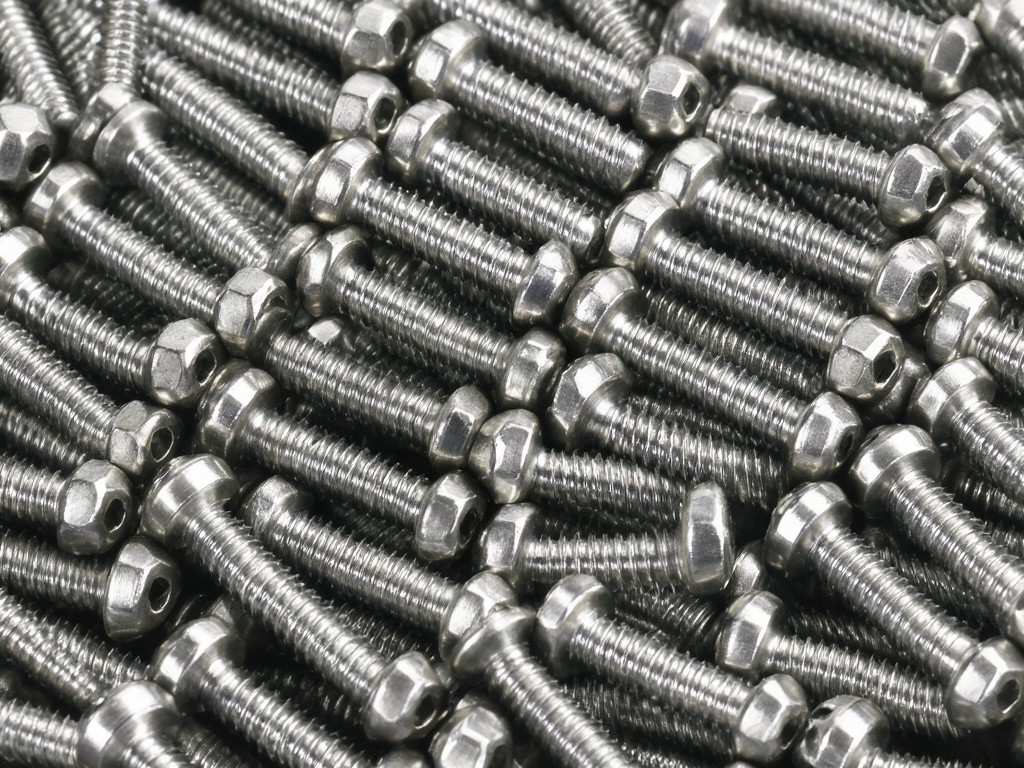
Supply is based on the buyer’s drawing or agreed dimensional schedule. A typical part has a cylindrical cap head, a recessed hex socket, a threaded shank and a flat bearing face. Stainless steel grade, thread form, nominal size, length, socket dimensions and surface condition must be specified together; a familiar diameter alone does not define an interchangeable screw.
| Usage level | Typical purchase context | Specification priority | Cost and supply trade-off |
|---|---|---|---|
| Prototype or first article | OEM fit checks before a production release | Drawing match, socket engagement and mating-part fit | Tooling or setup costs weigh more per piece at low quantities. |
| Repeat wholesale batch | Distributor stock or a scheduled OEM build | Lot-to-lot dimensions, grade identification and pack count | A stable repeat specification helps limit rework, sorting and reorder delays. |
| Production-release volume | Private-label or OEM supply tied to a launch schedule | Approved sample, purchase specification and traceable batch records | Earlier material and packaging commitments can support a planned ship window. |
The Problem Buyers Keep Paying For
Socket fit is a small feature with an outsized effect on assembly. If the recess is shallow, misshapen or inconsistent, the hex key may not seat fully; tool slip can damage the socket and slow the line. A dimensionally inconsistent head or thread can also create fit issues that appear only after parts reach the customer’s assembly site.
That cost is not limited to scrapped screws. A delayed production lot can trigger line-side sorting, replacement freight and missed launch commitments. For repeat orders, define the critical dimensions and acceptance basis before the first production batch. Checks such as socket dimensions, head dimensions and thread gauging can then be tied to the agreed specification rather than left to a vague visual comparison.
A lower quote is useful only if it buys the same fit and batch control.
Design Constraints Behind the Specification
Socket and head geometry
The socket must suit the specified hex key and retain enough engagement for the intended assembly method. Head height, outside diameter and socket depth interact; changing one without checking the others can compromise tool access or usable thread length.
Grade and joint conditions
Austenitic stainless grades such as 304 and 316 are common options, but the right choice depends on the service environment and the drawing. 316 is often specified where chloride exposure is a concern; it does not make a joint immune to corrosion or remove the need for suitable design and maintenance.
Stainless fasteners can gall during tightening. If the joint uses stainless mating threads or powered installation, confirm the assembly method and any compatible lubricant before locking the specification; tightening torque alone does not define clamp load across every joint condition.
How to Choose Before Requesting a Quote
Send a drawing or a complete dimension schedule with the expected annual or order quantity. State the stainless grade, thread details, head and socket dimensions, length, finish, packaging unit and any required batch documentation. If a mating component or assembly tool defines fit, include its relevant interface dimensions or an approved sample.
- Identify dimensions that affect assembly, not just the nominal screw size.
- Separate mandatory material and finish requirements from preferred options.
- Set the sample-approval route and production release date against your launch calendar.
- Specify carton quantity, labels and lot identification before export packing begins.
When a drawing revision is pending, identify the active revision in the inquiry. Quoting against an older sample while production follows a newer drawing is a preventable source of mismatch.
Assumptions Buyers Should Stop Making
“Stainless” does not identify a single grade, guarantee suitability for every wet or chemical environment, or specify a surface condition. “Hex head” can also describe different drive geometries in buyer shorthand. Here the product is specified as a cap screw with an internal recessed hex socket, so drawings and samples should use that geometry consistently.
Nor does a passed sample automatically control every future batch. Material source, forming tooling, thread rolling and packing records all affect repeat supply. Agree what constitutes an approved first article and what batch identification must accompany the cartons; otherwise, a buyer may have no clear reference when a later lot behaves differently in assembly.
What Can Be Customised and What Cannot
Custom options can include dimensions, grade, surface condition, packaging quantity, carton labels and lot marking, subject to tooling and order volume. A special head or socket profile may need dedicated tooling or a revised process route. That can raise the setup cost and extend the sample stage, particularly for a low-volume private-label order.
Some choices are constrained by the material and forming process. Stainless steel’s forming behaviour affects tool life and attainable geometry; an unusual socket depth or head proportion may need a feasibility review before the quote can be fixed. The factory should confirm which features follow the drawing, which have an agreed tolerance and which require a separate sample approval.
Private-label cartons and identifiers are usually simpler to arrange than a custom screw geometry, but artwork approval and label language still need to fit the packing schedule.
Capacity, Tooling and Scheduling
First-article tooling determines how quickly a new size or non-standard socket can move into production. An existing tool set may shorten preparation for a repeat item, while a custom head profile or a new dimensional combination can add tool design, sample production and approval time. No fixed lead time should be assumed before the drawing, quantity and packing requirements are reviewed.
Material availability and export packing can also set the schedule. For a retail or OEM launch, reserve time for sample review, label approval and any requested batch paperwork instead of counting only the days on the forming line. A confirmed ship window depends on the complete order specification and the factory’s material and production plan.
For repeat orders, retain the approved drawing revision, sample record and pack configuration. Those references help the next purchasing cycle start from the established specification rather than repeat technical clarification.
Care, Storage and Service Life
Store screws in closed, dry packaging and keep them away from iron or carbon-steel grinding debris. Stainless steel can still stain or corrode under unsuitable exposure, especially where chlorides collect or surfaces remain wet. Match the grade to the service environment and follow the equipment owner’s cleaning procedure.
During installation, use the specified hex key size and seat it fully before applying torque. If the drive recess is damaged or a screw shows galling, remove it from service rather than reusing it in a critical joint. Service life depends on joint design, installation practice, exposure and maintenance; material name alone is not a service-life guarantee.
Request a specification review before fixing the order quantity or launch date. Send the drawing, annual demand, required grade, packaging plan and target ship window; the supply team can review tooling, sample approval and batch requirements against that schedule.