wholesale double ended hex flange studs factory: What Buyers Should Check Before Ordering
Material choice starts with the conditions the fastener will meet: assembly torque, exposure to moisture or chemicals, and the service load carried by the joint. For importers matching an existing private-label specification, the first risk is often not a dramatic fracture. It is a thread that binds after coating, a flange that sits unevenly, or a replacement batch that does not fit the established assembly.
Materials and Construction Trade-offs
| Material and finish | Appearance and fit considerations | Selection point |
|---|---|---|
| Carbon steel with zinc plating; typically silver or clear in appearance | Plating adds corrosion protection for general indoor or sheltered service. Coating buildup can tighten thread fit if the allowance is not agreed. | A cost-conscious choice where the service environment and maintenance plan suit plated steel. |
| Carbon steel with black oxide; matte black appearance | The finish has little dimensional effect, but it does not offer the same corrosion protection as a thicker protective coating. | Specify it for appearance or controlled indoor use, not as a substitute for a corrosion-resistant material. |
| Carbon or alloy steel with hot-dip galvanizing; dull grey appearance | The heavier coating can affect thread engagement and nut fit, particularly on smaller threads. | Confirm the finished thread fit and mating hardware before approving the production specification. |
| Stainless steel, with passivated or untreated surface; natural metallic appearance | Avoids a separate plated finish, though thread galling can occur during assembly if material pairing and lubrication are not considered. | Identify the stainless grade and mating fastener material; “stainless” alone is not a complete purchase specification. |
A double ended hex flange stud has threaded ends separated by a central hex drive and flange feature. Buyers should lock down the thread system and pitch at each end, usable thread length, centre section dimensions, flange diameter and thickness, and end treatment. A change to any one of these can shift tool access or seating height, even when the nominal thread size remains the same.
For exposed or washdown service, a finish selection should reflect the actual chemicals, moisture and temperature in the assembly. A darker finish may match a brand specification, but colour is not evidence of corrosion performance. Ask the factory to state the base material and finish separately on the drawing and order confirmation.
How to Choose Before Requesting a Quote
When a stud must replace a part already used in production, quote from the approved drawing or a measured reference sample rather than a catalogue description. Record the thread callout for both ends, thread direction, length under the flange, central hex dimensions, flange geometry, material, finish, and any specified hardness or mechanical property. If the two threaded ends differ, label each end clearly on the drawing.
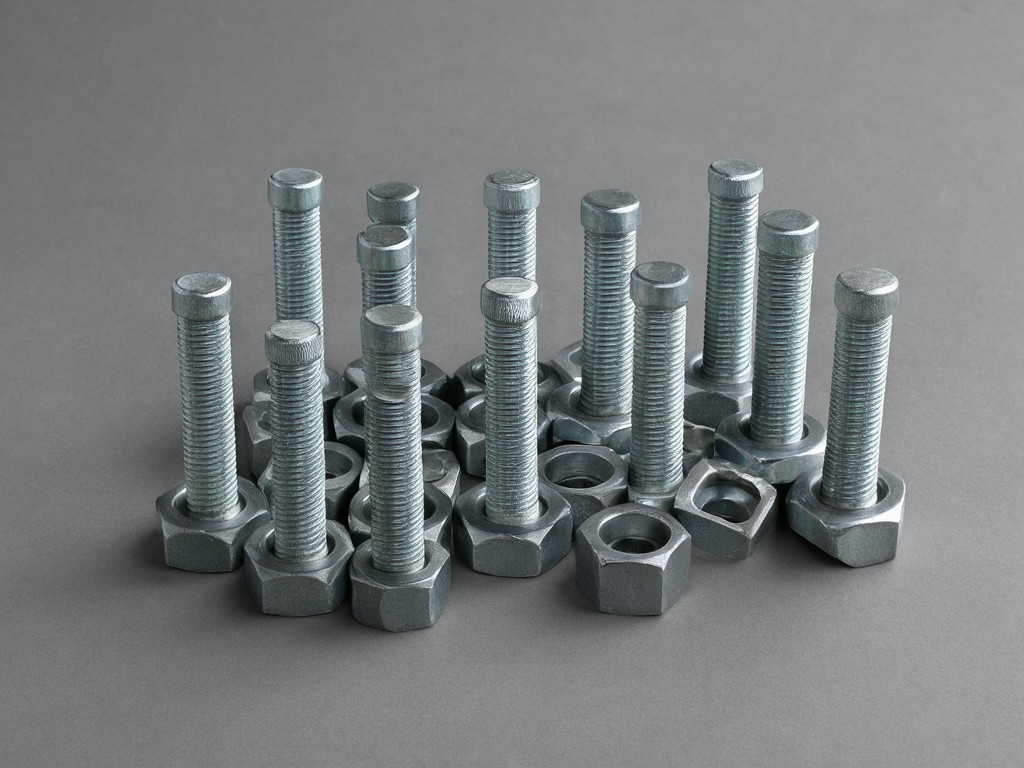
Plated carbon steel
Choose it when the existing assembly uses carbon steel and corrosion exposure is limited or controlled. Confirm finish thickness and the accepted thread fit together; otherwise, coating variation may cause tight nuts or a torque change at assembly.
Stainless steel
Choose it where the service environment calls for corrosion resistance without a plated coating. It may raise unit cost, and assembly needs attention to galling risk. Match the grade and mating hardware to the original specification instead of changing material by appearance alone.
Before pricing, send the target annual volume, expected order lot, packaging unit, and any approved sample or drawing revision. Those details let the factory quote the same configuration that purchasing will reorder, rather than a close substitute that needs a design change.
Buying Mistakes That Lead to Returns
Returns commonly start with incomplete dimensions or a finish change that was approved by colour, not by fit. A flange that is too wide can obstruct a socket; a short threaded end can leave too little engagement; and excess coating can make the mating nut feel defective. These issues often appear only after installation, when the replacement stock is already distributed.
- Do not specify only the nominal thread diameter. Include pitch, thread system, tolerance or fit requirement, and the usable length on each end.
- A sample that fits by hand does not confirm assembly performance. Check the mating nut, tool clearance, seating face and intended tightening method.
- Do not approve a finish substitution without checking corrosion exposure and thread engagement. A change from a thin coating to a heavier one can affect both.
- Keep the approved drawing revision with the purchase order. Uncontrolled sample measurements can create mixed specifications across repeat orders.
Fit rule: approve a production sample with the actual mating nut and installation tool. Record any hand-fit or torque requirement in the specification; a visual match alone will not catch thread binding or tool-access problems.
Inspection Items and Test Methods
Inspection should follow the dimensions and failure risks on the approved drawing. Thread gauges can check the specified thread fit; calipers or suitable measuring equipment can verify overall length, thread length, hex size, flange diameter and flange thickness. The inspection plan should identify the sampling frequency and acceptance limits before the order enters production.
Complaint evidence helps set the right checks. If nuts bind, inspect thread fit after finishing and check for burrs or coating accumulation. If the hex rounds during installation, verify the across-flats dimension and the agreed material or hardness requirements. If corrosion appears before the expected service interval, review the base material, coating specification and exposure conditions together; a finish name by itself cannot explain the failure.
For coated parts, agree how coating thickness and surface condition will be checked, and whether a corrosion test is required for the purchase. Any test duration or acceptance criterion should be defined by the buyer and factory before sampling. Retain a reference sample and inspection record for each approved revision so an importer can compare repeat lots against the same baseline.
Capacity, Tooling and Scheduling
Schedule depends on whether the factory already holds suitable tooling and gauges for the specified centre section, flange form and thread combination. A standard size with an established setup can move faster than a new profile, while a custom flange or nonstandard length may require tooling review and sample approval first. Ask the factory to separate sample timing from the production lead time in its quotation.
Low initial quantities can reduce inventory exposure, but they may not absorb setup and tooling costs as efficiently as a planned repeat order. Share forecast volume and expected reorder intervals so the supplier can quote an appropriate lot size. For continuity, record tooling ownership or storage terms, approved revisions, raw material identification and batch traceability expectations before confirming the first order.
A realistic schedule also includes drawing approval, sample shipment, buyer review and any finish or inspection checks. A production date without those milestones can leave too little time to resolve a thread-fit concern before goods are packed for export.
Export Packaging and Handling Protection
Loose studs can rub together in transit, marking a finish or damaging exposed threads. Specify the pack quantity, inner-bag or divider arrangement, carton limits, and whether parts need thread protection. Packaging should keep the products dry, prevent movement within the carton, and make the lot easy to identify when a shipment is split across receiving locations.
For private-label orders, approve carton labels and any bag markings before packing. Include the part number, drawing revision, material or finish designation, quantity and batch reference as required by the importer. Agree the carton dimensions and gross weight with the shipping plan; overfilled cartons can deform and make receiving counts harder to verify.
Discuss Your Specification Before Ordering
Send the drawing or reference sample, material and finish requirements, target order quantity, and export-pack details for a project review. The factory can confirm which dimensions need tooling review, what sample checks are practical, and where the specification needs more detail before quotation.
Contact the factory to discuss your double ended hex flange stud project.