Top Quality outside diameter flat fender washers Distributor: Specification, Ordering and Quality Notes
The limiting factor is rarely the headline specification; it is whether the washer spreads clamp load far enough to protect the panel without creating fit or corrosion problems downstream. For distributors and brand product managers, a low purchase price can lose its advantage if variable hole size, burrs or worn finish trigger assembly rework, field complaints or returns. Select the outside diameter, thickness and material for the mating surface and exposure, then hold those details consistently on replenishment orders.
What Actually Determines Performance
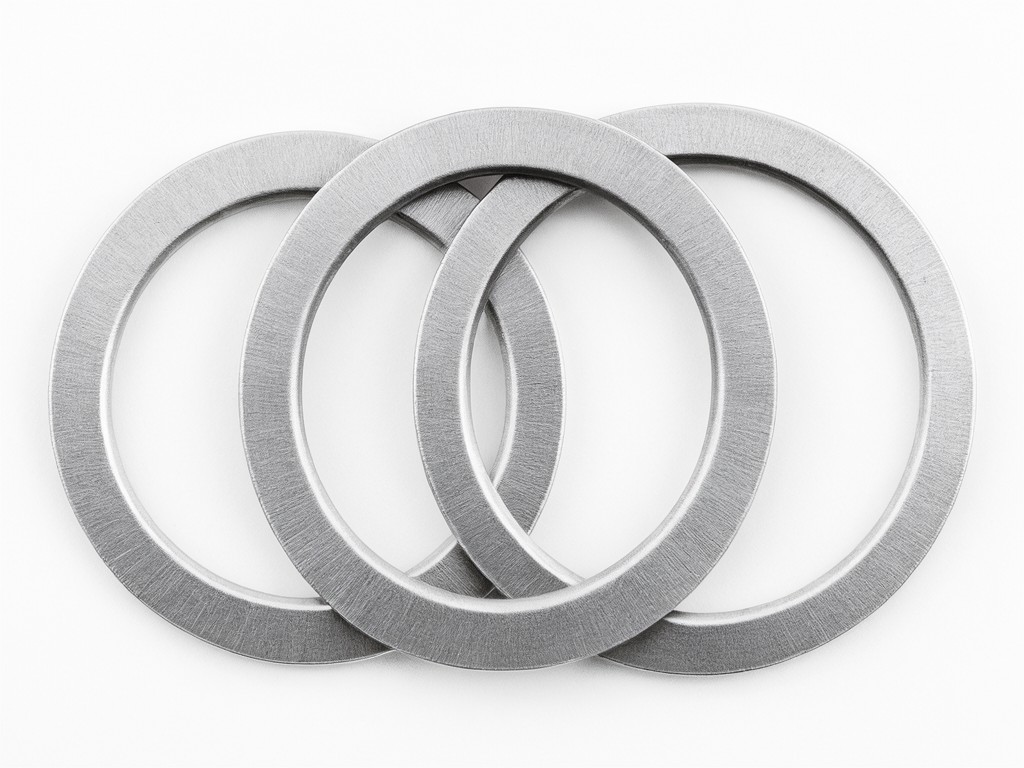
A fender washer works by placing a broad bearing face under the fastener head or nut. Its larger outside diameter spreads the load over more of a thin panel, slotted hole or softer mounting surface than a standard flat washer. That can limit local pull-through and panel distortion, but a larger disc is not automatically the right choice: nearby edges, bends and hardware can restrict the available clearance.
Bearing Area
Set the outside diameter against the panel strength and available clearance. More bearing area can reduce local deformation, but adds material and may interfere with adjacent parts.
Hole Fit
The inside diameter must clear the selected bolt or screw while keeping enough washer land around the hole. Confirm the fastener and washer dimensions together.
Thickness and Flatness
Thickness affects stiffness, stack height and piece weight. A flat bearing face supports predictable seating; set tolerances against the assembly need rather than paying for tighter control without a functional reason.
Decision rule: If the substrate is thin or prone to pull-through, specify the required bearing diameter first. Then check bolt clearance, edge distance, washer thickness and coating build against the assembled stack.
How It Is Built and What That Changes
For standard flat fender washers, production typically starts with sheet or coil stock. A press operation pierces the inside diameter and cuts the outside profile; the part is then deburred and finished to the order specification. Stamping suits repeat volumes and can keep unit cost down once the tooling and material yield are established. A nonstandard profile or low initial quantity may carry a higher setup cost per piece.
- Steel thickness and strip width affect piece weight, press setup and nesting yield; agree the drawing and material before price comparison.
- Piercing and blanking can leave edge burrs. Deburring controls sharp edges and supports cleaner handling during bulk packing and assembly.
- A plated or coated finish adds a corrosion barrier, but its build can affect fit at the hole and bearing face. Include finish requirements in the approved specification.
Tool wear can shift cut edges over a production run. For repeat orders, retain the approved drawing, material and finish details as the basis for setup and inspection rather than relying on a sample alone.
Where This Product Beats Standard Alternatives
A standard flat washer is often sufficient beneath a bolt on a thick, rigid plate. A fender washer earns its extra material where a broad bearing face can help protect thin sheet, a panel with a clearance slot or a softer mounting surface. The practical return is fewer damaged parts and less assembly correction, not simply a larger washer on every joint.
For equipment stored or used outdoors, near pool chemicals, or in settings where sweat and wash-down moisture reach the joint, exposed carbon steel can corrode if the finish is damaged or unsuitable. Abrasion during handling and repeated contact can wear a coating; damp storage can also expose unprotected surfaces. Specify material and finish for the actual exposure, and account for the mating hardware so the washer does not become the weak point in the assembly.
An oversized washer may improve support but can raise part cost, weight and freight volume. Choose it when the saved assembly loss or reduced panel damage justifies those added costs per unit sold.
Comparing Two Standard Configurations
Carbon steel with a protective finish is commonly selected when piece cost and volume matter. Stainless steel can suit assemblies with recurring moisture exposure, but the grade must be specified for the service environment and matched with compatible fasteners. No single material or finish fits every combination of cleaning chemicals, abrasion and storage conditions.
| Configuration | Size and Weight Basis | Trade-Off and Typical Fit |
|---|---|---|
| Stamped carbon steel with zinc or another specified protective finish | Outside diameter, inside diameter and thickness follow the approved drawing. Piece weight depends on dimensions, stock thickness and finish. | Often a cost-conscious choice for general indoor or protected service. Confirm exposure and finish requirements before ordering for wet or chemically cleaned locations. |
| Stamped stainless steel, with grade stated by the buyer | Use the same drawing controls for outside diameter, inside diameter and thickness. Weigh the approved sample or calculate from the specified dimensions and material. | Higher material cost can be justified where corrosion exposure threatens service life or return rates. Grade selection still depends on the environment and cleaning agents. |
The price comparison should include coating, piece weight, packaging and expected rejects, not just the stock material line. If a change in thickness or finish changes the fastener stack, confirm the assembly before approving a substitution.
Matching the Product to the Buyer's Need
Start with the mating fastener and panel, then define the washer around their constraints. For a brand product manager, a stable fit and finish can matter more to customer experience than a small reduction in piece price. A distributor may instead prioritize stock compatibility and pack quantities that limit picking errors while keeping landed cost per sale in line.
For Panel Protection
Set the outside diameter to cover the load area without contacting bends, edges or nearby components. Check the inside diameter against the bolt and any assembly clearance requirement.
For Repeated Wet Exposure
Name the material grade or finish and describe contact with water, pool chemicals, sweat, wash-down products and storage moisture. Specify the inspection or sample-approval basis for the finish.
For Cost per Unit Sold
Compare purchase price with freight, pack format, installation errors and likely returns. Keep any custom dimensions that protect the joint, but avoid nonfunctional tolerances that add inspection or tooling expense.
How Consistency Is Held Across Batches
Batch control begins with an agreed drawing and a retained approval sample. Dimensional drift at the inside diameter can affect bolt fit; variation in thickness or flatness can change stack height and seating. Finish condition needs separate review because abrasion and contact during packing can mark plated surfaces even when the stamped profile remains within drawing limits.
| Inspection Check | Factory Method | Acceptance Basis |
|---|---|---|
| Outside diameter, inside diameter and thickness | Dimensional gauges or measurement tools suited to the part and drawing | Buyer-approved drawing tolerances and agreed sampling plan |
| Burrs, edge condition and flatness | Visual checks, handling checks and flat-surface comparison where required | Approved sample and stated edge or flatness requirements |
| Material and finish | Supplier documentation, visual finish review and additional agreed testing where requested | Purchase specification, approved finish sample and any separately agreed corrosion test method |
| Pack quantity and identification | Count or weight verification and label review before dispatch | Order quantity, packaging instruction and agreed batch traceability details |
A buyer-defined sampling plan and acceptance criteria give both sides a clear basis for incoming inspection. Where corrosion performance is a purchase requirement, agree the test method and acceptance condition before production; do not infer service life from the coating name alone.
Capacity, Tooling and Scheduling
Existing tooling for a matching profile can shorten setup and improve the economics of a repeat order. A new outside diameter, hole size, stock thickness or profile may require tool review and sample approval before a production schedule is confirmed. Lead time depends on tooling status, material availability, finish route, order quantity and export packing instructions.
Send the drawing or dimensional schedule with material, finish, tolerance, order volume, pack quantity and destination requirements. If the assembly relies on a broad bearing face to prevent panel damage, include the substrate and fastener details so the specification review can assess the whole joint.
Specification review: Share the current washer drawing, service exposure and forecast order quantity to review fit, material, finish, packaging and repeat-order controls before quotation.
Request a specification review for your outside diameter flat fender washer program.