Specifying Top Quality grade 8 heavy duty hex bolts Company for Wholesale and OEM Orders
Unit price and service life diverge when heat treatment, thread fit, or coating control varies between production lots. A lower quotation can raise the cost per unit sold if bolts fail inspection, cause assembly delays, or prompt field replacements. Compare the material and process route alongside the quoted dimensions, then price the order against the expected reject and replacement burden.
Two suppliers quoting the same specification may use different forging setups, thread-rolling sequences, heat-treatment controls, and inspection frequencies. Those differences affect dimensional consistency and the usable strength of the finished fastener. The buying decision should tie each claimed grade and finish to documented checks, approved samples, and a clear lot definition.
The Problem Buyers Keep Paying For
A grade marking alone does not settle whether a shipment will fit the buyer’s assembly process. Variation in thread pitch diameter, bearing-face dimensions, or bolt length can slow installation and create sorting work. Heat-treatment inconsistency can also produce hardness or strength results outside the agreed purchase requirements.
Before comparing quotations, confirm which drawing revision controls, what finish is included, and how acceptance is recorded. Include packaging and traceability costs in the landed calculation: loose bulk packing may lower carton cost, while separated, labelled lots can reduce receiving and line-side handling time.
Materials and Construction Trade-offs
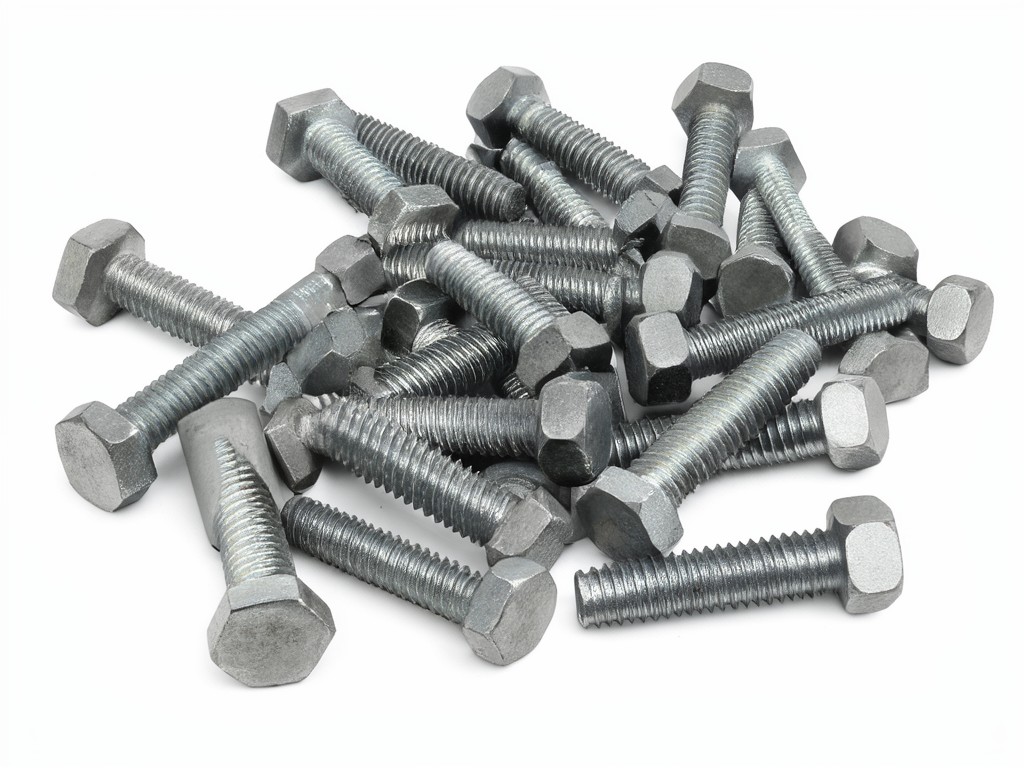
Grade 8 heavy-duty hex bolts are commonly produced from alloy steel, then quenched and tempered to meet the specified mechanical properties. Forging creates the head; rolled threads are commonly selected for production because the thread-forming route can support consistent geometry and fatigue performance. The exact material, process controls, and acceptance criteria should match the drawing and order specification.
Plain or Oil-Finished Surface
A plain surface avoids an added coating step and suits orders where corrosion protection is not required from the bolt finish. Define any oil or rust-preventive treatment, since surface condition can change storage behaviour and installation feel.
Coated Surface
A coating may add corrosion resistance or provide a specified appearance, but it adds process cost and can affect thread fit and torque-tension behaviour. For high-strength steel, agree the coating route and controls before production; do not assume a finish is interchangeable with the approved sample.
Specification rule: Set the finish and lubrication condition before establishing installation torque. A torque value without those conditions may not produce a comparable clamp load across suppliers or lots.
Customisation Options and Their Limits
Custom dimensions and packing can be cost-effective when the order volume supports dedicated tooling, setup, and inspection. Confirm the drawing, thread details, finish, and marking before sample approval; a late change can require new tooling or a revised production plan. The options below are subject to the selected size range and production equipment.
| Order Detail | Available Definition | Cost or Lead-Time Effect |
|---|---|---|
| Diameter, length, and thread | Drawing dimensions, thread pitch, and full or partial thread where available | Non-stock dimensions may need dedicated setup or tooling; consolidated sizes can improve machine utilisation. |
| Finish and lubrication | Plain, specified corrosion-protection finish, or agreed surface treatment | Extra finishing steps add processing cost and may require fit and surface checks. |
| Head marking and packaging | Agreed grade or maker identification, bulk cartons, or labelled inner packs | Custom marks and pack quantities need approval; larger runs spread setup and artwork costs across more pieces. |
Working as a Production Partner, Not a Catalogue Supplier
A production partner reviews the drawing and order pattern before locking the quotation. For recurring OEM demand, shared forecasts can help schedule alloy-steel purchasing, forging capacity, heat treatment, and finishing as one sequence. That can reduce repeated setup expense and improve the unit price at a planned volume, while unusually short lead times may require reserved capacity or a narrower choice of sizes and finishes.
Tooling amortisation is a commercial decision, not just a factory calculation. A dedicated die may lower piece cost across a sustained order, but it can increase the first-order charge and make small, mixed-size releases less economical. Buyers should compare total programme cost across expected releases rather than judge the first lot on unit price alone.
For distributor and OEM programmes, establish a retained approved sample, revision control, lot identification, and carton labelling before repeat orders begin. Agree who pays for any rework or reinspection if a shipment misses the purchase specification, and align forecast changes with the production window.
Inspection Items and Test Methods
Inspection frequency should reflect the order specification, batch size, and risk of a missed defect. Confirm the sampling plan and acceptance basis before release; the listed checks do not replace any customer-specific requirements.
| Inspection Item | Factory Check | Acceptance Basis |
|---|---|---|
| Dimensions and thread fit | Caliper or gauge checks for length, head dimensions, and thread fit | Approved drawing and purchase specification |
| Mechanical properties | Hardness checks and agreed tensile or proof-load testing | Specified grade and order requirements, with results tied to the production lot |
| Finish and marking | Visual review, coating checks where applicable, and marking verification | Approved finish sample, marking details, and agreed surface requirements |
| Lot and shipment records | Batch identification, quantity reconciliation, and carton label review | Purchase order, packaging instructions, and agreed traceability records |
If the end assembly depends on a defined clamp load, specify the test method and surface condition with the torque requirement. Surface finish, lubrication, and mating materials all affect torque-tension results, so a torque check alone may not predict assembly performance.
Request a Specification Review
Send the drawing, target order volume, finish requirement, packaging plan, and forecast schedule for a quotation review. The production team can assess tooling needs, batch economics, inspection points, and a practical lead-time plan before order confirmation.