Specifying personalized flange studs and nuts maker for Wholesale and OEM Orders
Before comparing quotations, align the drawing, material, finish and acceptance checks. For private-label fasteners, an unchanged specification across repeat batches is often worth more than a small reduction in piece price.
Flange studs and nuts are purchased for their fit, clamping behaviour and resistance to loosening or corrosion in the intended assembly. A maker can adapt a production route and supply presentation to an OEM specification, but the drawing and agreed inspection criteria must define what counts as an acceptable part.
Where Cheaper Alternatives Fall Short
A lower quote can conceal changes in thread fit, flange geometry or coating control. Those differences may not stop assembly at first, but they can raise installation time, damage mating surfaces or create repeat warranty claims.
The unit-price saving also has to be weighed against sorting, line stoppage and replacement freight. If hardness or heat treatment varies, a nut may gall or seize on a stud; if plating thickness or coverage drifts, corrosion may appear first at thread roots and flange edges. These risks are best controlled through a locked drawing revision, identified material and finish requirements, and a clear batch inspection plan.
- Ask how the supplier keeps stud length, thread dimensions and nut bearing-face dimensions consistent across production lots.
- Include coating and lubrication conditions in any torque-related comparison; the same applied torque can produce different clamp loads on different surfaces.
- Compare the cost of rejected assemblies and field replacements with the quoted price per set.
Specification Range and Customisation Limits
Dimensions should come from the buyer’s drawing or controlled sample, not a general catalogue description. The quotation should identify thread diameter and pitch, stud length and end form, nut profile, flange diameter and thickness, material grade, heat treatment where applicable, and finish. Forming is practical for repeat production when the geometry suits the tooling; nonstandard features can add setup or secondary-operation cost.
| Assembly condition | Complaint to prevent | Construction or control to specify |
|---|---|---|
| Repeated assembly with a controlled torque process | Inconsistent clamp load, galling or difficult removal | Define material, heat treatment, finish and any lubricant condition; verify thread fit and assess the torque method on the actual mating parts. |
| Outdoor or damp service with exposure to moisture | Rust at exposed faces, thread roots or coating damage points | Select a compatible corrosion-resistant material or finish and state the exposure and acceptance criteria for the agreed inspection. |
| High-volume automated installation | Feed jams, cross-threading or uneven seating at the flange | Control thread start, stud straightness, nut dimensions and flange bearing-face geometry; approve the packaging orientation used at the assembly line. |
Material choice affects both cost and production route. Cold-formed carbon steel can suit repeat orders where the geometry and strength requirement permit it; stainless steel may suit corrosion exposure, but its forming and thread behaviour require their own process controls.
Matching the Product to the Buyer's Need
Start with the assembly and service condition, then fix the fastener details. A coating selected for corrosion protection can affect thread clearance and torque response; a thicker flange may spread bearing load but can alter available clearance. The selected configuration must suit both the mating parts and the installation method.
For Repeat Assembly
Prioritise repeatable thread fit, consistent flange contact and finish control. Confirm the preferred installation tool and torque method with production staff before a batch specification is released.
For Corrosion Exposure
Choose the material and finish for the actual environment, including contact with dissimilar metals or cleaning agents. Confirm that the selected finish will not compromise thread engagement or the required bearing contact.
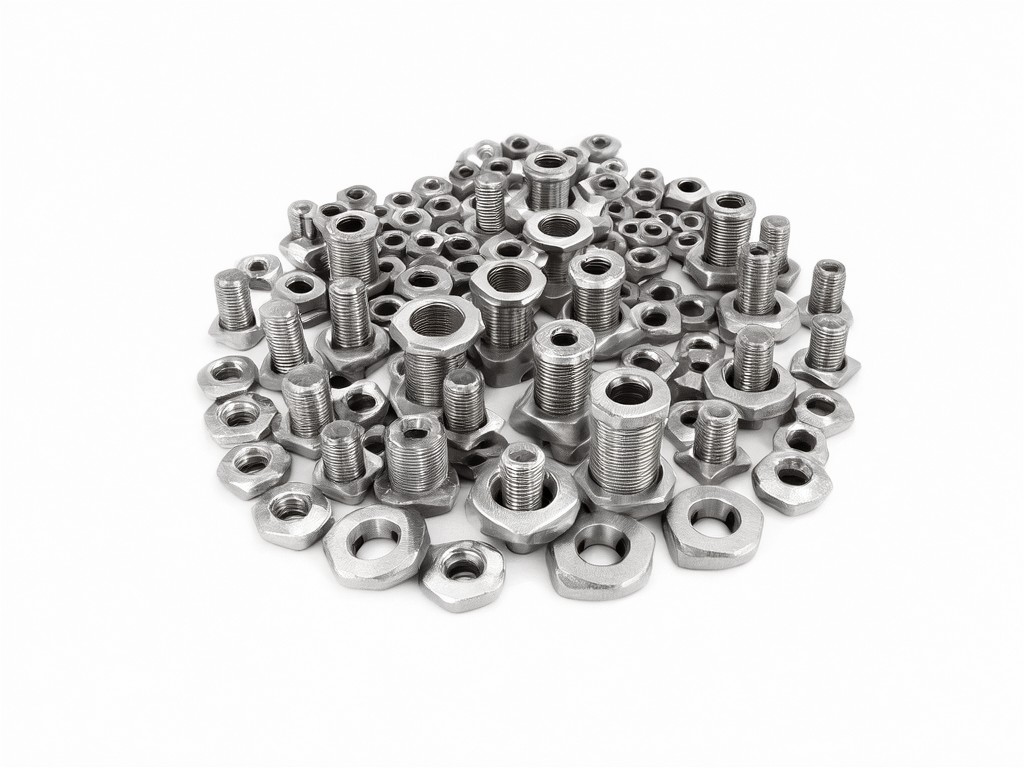
A drawing review should flag any dimension that depends on a mating component. Thread engagement, stud projection and flange seating are common examples; a supplier cannot resolve those interfaces from the fastener description alone.
Assumptions Buyers Should Stop Making
A familiar part name is not a complete specification.
- Do not assume two parts with the same nominal thread will have identical fit after different finishes.
- Do not treat a flange nut and a standard nut with a washer as interchangeable without checking bearing area and clearance.
- Do not expect a brand mark to establish batch consistency. Control the drawing revision, material, process requirements and inspection record.
- Do not infer a corrosion life from the finish name alone. Exposure, coating coverage, handling damage and mating materials all affect performance.
Requirements by Buyer Segment
Wholesale Buyers
Distributors need clear identification by part number, revision and pack quantity so replenishment does not mix visually similar fasteners. Ask for batch separation and carton labels that connect each shipment to its product description and agreed checks.
Procurement Officers
Procurement should compare like-for-like landed cost: tooling or setup charges, inspection scope, export packing, freight protection and the cost of nonconforming batches. A lower piece price has little value if receiving inspection or assembly sorting consumes the saving.
OEM and ODM Programme Structure
For OEM supply, the buyer’s approved drawing and material requirements should remain the production reference. Private-label identification can be added to packaging or agreed product features, but it must not obscure the part number, revision or batch traceability needed for replenishment and complaint review.
An ODM discussion is useful when the buyer has an assembly requirement but no released fastener drawing. The manufacturer can review geometry and process fit, while the buyer remains responsible for confirming mating dimensions and application loads. Tooling changes, special gauges and nonstandard secondary operations can affect both the initial cost and reorder timing.
- Agree the drawing revision, material, heat treatment, finish and inspection criteria before sample approval.
- Approve the production sample against the mating assembly and installation method, not appearance alone.
- Keep approved samples and batch records tied to the part number and revision for future comparison.
What Gets Checked Before Shipment
Inspection should follow the agreed drawing and control plan. Dimensional checks can cover stud length, flange dimensions, nut profile and thread features; thread gauges can verify fit against the specified thread requirements. Material and heat-treatment evidence should be reviewed when those requirements form part of the purchase specification.
Set acceptance limits before production. Torque checks, coating checks or corrosion exposure tests only provide a useful release decision when the test method, sample basis and pass criteria have been agreed for the actual application.
For a repeat OEM order, compare inspection records by batch rather than relying on a single approved sample. Record any approved deviation before shipment, and keep the product identification consistent across inner packs and export cartons.
Care, Storage and Service Life
Keep fasteners dry and protected from dirt, condensation and handling damage before installation. Store different part numbers and revisions in identified packs; mixed lots can create fit and traceability problems that are difficult to diagnose later.
During assembly, use the specified tool and torque method. Reuse should follow the application owner’s instructions, since thread damage, corrosion, coating wear and prior loading can change the joint behaviour. Service life depends on load, vibration, environment, installation practice and maintenance; no fastener material or finish can compensate for an unsuitable joint design.
- Protect coated surfaces from abrasion during bulk handling and transit.
- Keep the purchase specification and batch identification with retained samples and complaint records.
- Review corrosion or loosening reports against the actual service exposure and assembly process before changing the fastener specification.
Review the Quotation Against Your Released Specification
Send the drawing revision, material and finish requirements, inspection expectations, estimated order volume and packing details for a quotation review. This gives wholesale and procurement teams a clearer basis for comparing unit price with batch control, assembly fit and potential returns.
Request a quotation review