oem metric hex head shoulder cap screws b2b supplier: Specification, Ordering and Quality Notes
Unit price settles the question only after the shoulder fit and expected service life are compared. On a metric hex head shoulder cap screw, the unthreaded shoulder locates or supports a moving part; its diameter and length set the working clearance. A low quote can raise cost per unit sold if shoulder variation causes binding, excess play, or early wear across a production run.
For OEM buyers and product managers, the drawing should define shoulder diameter, shoulder length, thread size and pitch, head dimensions, material, hardness where required, and finish. Production commonly combines a cold-headed hex head, a finish-turned shoulder, and a rolled thread. The balance is practical: a corrosion-resistant material or added surface treatment can raise piece price, while consistent fit and less frequent replacement can lower service cost over the product’s sales life.
What This Product Is and Where It Fits
A metric hex head shoulder cap screw is a headed fastener with a precision unthreaded section between the head and the threaded end. The hex head accepts a wrench; the shoulder can serve as a pivot, spacer, or bearing surface in assemblies such as equipment linkages, adjustable fixtures, and machine guards. The mating part should ride on the shoulder, not on the threads.
The comparison below frames common material and finish choices. Final selection depends on the mating material, exposure, required strength, and the drawing’s fit and thread requirements.
| Configuration | Fit and service considerations | Cost trade-off |
|---|---|---|
| Alloy steel with a specified protective finish | Useful where strength and a controlled shoulder fit matter. Select the finish for the actual moisture, cleaner, and contact conditions. | Often a lower material cost than stainless; coating damage at wrench contact or assembly wear can shorten corrosion protection. |
| Stainless steel, with grade agreed to the exposure | Avoids reliance on a plated layer, but chloride-bearing cleaners and trapped moisture still require consideration. Confirm strength and galling risk for the joint. | Higher material cost may make sense where exposed corrosion would drive field replacement or service calls. |
| Black oxide on steel, where the environment permits | Provides a dark appearance with limited corrosion protection compared with a thicker protective coating. Specify any supplementary oil or post-treatment. | Can suit dry, sheltered assemblies; frequent washing or outdoor storage may make a more protective option the lower-cost choice over time. |
The Problem Buyers Keep Paying For
A shoulder that is slightly undersize can create play at the joint; an oversize shoulder can seize in the mating bore. Either condition moves cost downstream into assembly adjustment, rework, or replacement. If the shoulder length is wrong, the head may clamp the moving part or leave excess axial movement even when the thread engages correctly.
Finish choice also affects service intervals. Repeated wiping, abrasion from adjacent parts, and tool contact can wear a coating at exposed edges. Outdoor UV exposure usually matters through any organic topcoat or nearby polymer component rather than the metal itself. Chloride cleaners, perspiration, and moisture left during storage can attack susceptible finishes or create staining, so buyers should identify the real cleaning routine before choosing a low-cost surface option.
Set the shoulder tolerance from the mating bore and motion requirement, then specify finish exposure separately. A coating cannot correct a poor fit, and a close fit does not by itself protect steel from corrosion.
How It Performs in Use
Service performance depends on keeping the load on the shoulder and the clamp load on the threaded joint. Where the fastener acts as a pivot, the shoulder surface and diameter govern contact and movement; where it acts as a locator, dimensional repeatability across lots matters more than appearance. Thread engagement, tightening torque, and joint materials should be reviewed together so the screw does not loosen, strip, or gall in service.
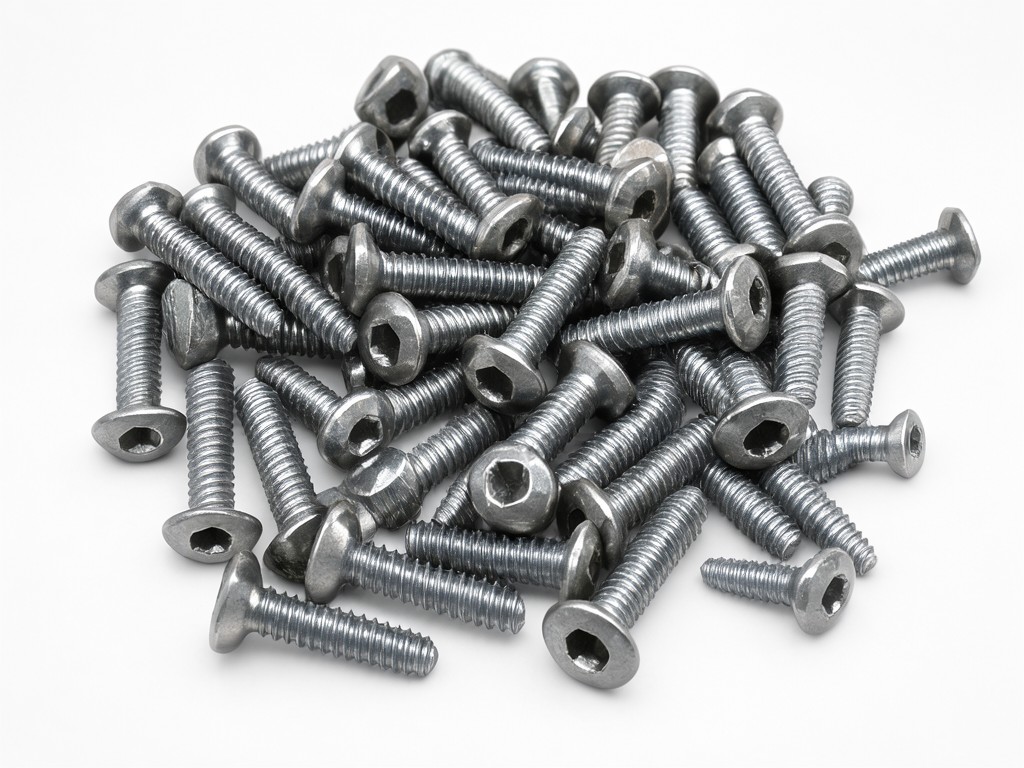
Steel With a Protective Finish
Choose this route when the assembly needs steel strength and the exposure is compatible with the selected coating. It can reduce initial material cost, but repeated cleaning, impact at the head, and rubbing at the shoulder may break through protection at contact points.
Stainless Steel
Consider stainless where exposed corrosion would make maintenance costly. Grade selection remains important: chloride exposure and crevices can still cause corrosion, while stainless-on-stainless threads may gall without suitable assembly controls.
Buying Mistakes That Lead to Returns
Returns often trace back to a drawing that specifies the thread but leaves the working shoulder or surface condition open to interpretation.
- Ordering by nominal thread size alone. Confirm shoulder diameter and length, head size, overall length, thread length, and the drawing’s tolerances.
- Treating a shoulder screw as an ordinary bolt. The mating part should bear on the unthreaded section when the design calls for a pivot or locating surface.
- Choosing a finish from colour or unit price without checking cleaning chemicals, moisture, UV exposure, and abrasion at the joint.
- Changing material or finish without reviewing thread engagement, hardness needs, mating-part compatibility, and the tightening method.
- Approving a sample that does not represent the production route. Confirm the sample’s material, shoulder process, thread process, and finish against the proposed production specification.
Usage Scenarios and Buyer Segments
Equipment OEMs use shoulder screws in linkages and adjustable assemblies where a defined pivot diameter helps control movement. Fixture and tooling buyers select them for repeatable locating or spacing, often with frequent assembly changes and wrench contact. Importers and wholesale buyers may serve several end uses, so a clear drawing revision and traceable lot identification help prevent similar-looking sizes from being mixed at reorder.
For assemblies exposed to washdown or outdoor storage, state the cleaning agents, exposure frequency, and whether the fastener is rinsed and dried. A finish that suits occasional wiping in a sheltered machine may not suit repeated chloride-cleaner exposure. For serviceable joints, also consider whether the screw can be removed without damaging the shoulder or mating bore.
Inspection Items and Test Methods
Agree the inspection plan against the drawing and intended use before production approval. Dimensional checks should cover shoulder diameter and length, head dimensions, overall length, and thread features. Thread gauges can verify the specified thread fit; hardness checks are appropriate when the material or heat treatment calls for them. Surface finish checks should match the ordered coating or treatment rather than rely on appearance alone.
- Measure shoulder dimensions at agreed inspection locations and compare the results with the drawing tolerances.
- Check thread size and pitch with suitable gauges, then confirm the screw assembles in a representative mating part where fit is critical.
- Verify material and hardness requirements through the agreed documentation or test method; do not infer grade from surface appearance.
- For corrosion-sensitive orders, define a coating-thickness check or an exposure test in the purchase specification. Salt spray testing, if requested, should use buyer-agreed acceptance criteria rather than an assumed pass period.
- Review sample fit and finish after the actual cleaning and assembly steps that the screw will encounter in service.
Request an Artwork and Branding Review
Send the drawing, material and finish requirements, target order quantity, and any head-marking artwork for a manufacturability review. Marking space on a hex head is limited, so confirm legibility and placement before sample approval. Discuss your OEM specification and branding requirements.