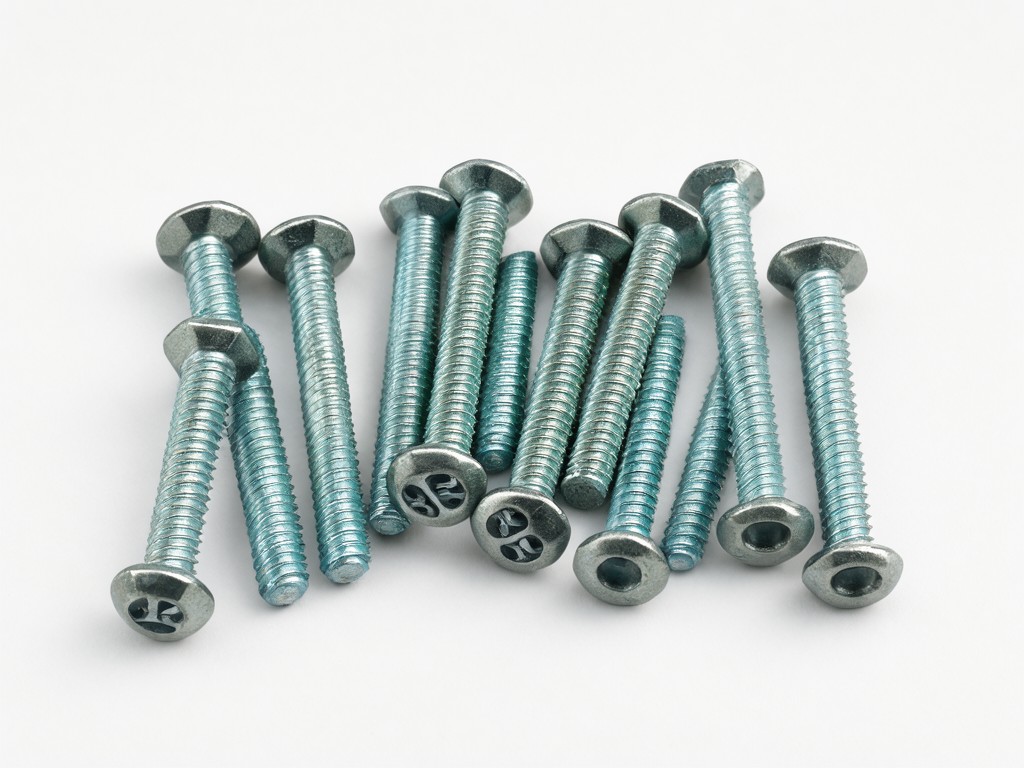
OEM 10 32 hex head cap screws top Supplier: Specification, Ordering and Quality Notes
Most quality disputes start with a consistency gap: a fastener that fits the first assembly may bind, sit proud, or need a different wrench on the next production lot. For club maintenance teams, retail buyers, and private-label purchasers working to a launch date, those small differences can stall assembly and create avoidable replacement orders.
For an OEM 10-32 hex head cap screw, the thread callout alone is not a complete purchase specification. Head dimensions, length measurement, material, finish, and the mating tapped hole all need agreement before the production order is released.
Where Cheaper Alternatives Fall Short
Returns usually trace back to the same weak point: a low-cost screw is ordered by thread size and overall length, while the head height or wrench clearance is left unspecified. It may thread into the assembly yet prevent a cover from closing, interfere with an adjacent part, or make routine service awkward.
Mixed lots create a second problem. Variation in hex width, head height, or finish can slow hand assembly because operators need to adjust tools or sort parts. A lower unit price can lose its value if incoming inspection, rework, or launch stock replacement absorbs the difference.
- Specify whether screw length is measured from beneath the head to the tip.
- Match the finish to the service environment; a plated carbon-steel screw and a stainless screw are not interchangeable choices for every application.
- Approve a production sample against the mating part, not only against a catalogue description.
What the Design Has to Balance
A 10-32 thread has a nominal major diameter of 0.190 in and 32 threads per inch. The mating hole, screw length, and clamped materials determine usable engagement; choosing a longer screw without checking clearance can cause bottoming or contact with a component behind the joint.
Hex heads suit assemblies that need repeatable wrench access and straightforward removal during service. The trade-off is space: head width and height can limit access in a recessed or crowded location. Where operators perform frequent maintenance, confirm tool clearance and the required tightening method before fixing the head dimensions.
Comfort and feel matter most at the point of handling. Burrs, sharp edges, or inconsistent finish around the head can make manual sorting and installation unpleasant. If screws are routinely handled without gloves, include edge condition in sample approval rather than treating it as a cosmetic detail.
Materials and Construction Trade-offs
Carbon Steel with Protective Finish
Choose this route when cost and strength requirements favour carbon steel and the assembly has a defined corrosion exposure. Zinc plating is a common option, but the finish specification should identify appearance and any required coating thickness or corrosion test agreed for the order.
Stainless Steel
Stainless grades such as 304 or 316 may suit damp or washdown exposure, subject to the actual environment and mating materials. Stainless costs more than standard plated carbon steel, and its strength and galling behaviour differ; specify the grade and assembly lubricant or tightening practice where seizure is a concern.
For either material, the drawing should settle head style, thread class or fit requirement, length, and finish. “Stainless” or “zinc plated” by itself leaves room for substitutions that can change both appearance and assembly behaviour.
How It Is Built and What That Changes
- Wire is selected to the specified material and diameter. Material condition affects forming behaviour and the finished screw’s mechanical properties.
- A forming operation creates the hex head and shank. Tooling condition and setup control head shape, bearing face, and repeatability across the run.
- Threads are typically rolled after forming. Rolling displaces material into the thread profile; the selected blank diameter and tooling must match the 10-32 requirement.
- Carbon-steel parts may receive heat treatment before the specified protective finish. Stainless parts may be supplied with a passivated surface if requested and agreed in the purchase specification.
- Inspection checks the agreed dimensions, thread fit, finish, and appearance. A sample approval drawing or signed sample helps tie those checks to the buyer’s assembly.
Tooling wear can show up first as a head-dimension drift or inconsistent thread engagement. Set the inspection points before the run, especially if replacement screws must fit existing tapped holes without field adjustment.
Specification Range and Customisation Limits
| Purchase item | Typical specification basis | Buyer confirmation needed |
|---|---|---|
| Thread | #10-32; nominal major diameter 0.190 in, 32 threads per inch | Required thread fit and mating-hole condition |
| Length | Commonly sourced in lengths from about 1/4 in to 2 in, subject to supplier capability | Length under head, tolerance, and required thread length |
| Head | Hex head; across-flats and head height depend on the governing drawing or agreed dimensional series | Wrench clearance, bearing-face requirements, and reference dimensions |
| Material and surface | Carbon steel with an agreed finish, or a specified stainless grade | Exposure, appearance, corrosion test if required, and any passivation request |
The ranges above are a sourcing guide, not a substitute for a controlled drawing. Nonstandard head proportions, special tolerances, or a low-volume finish can require dedicated setup and may affect minimum order quantity and schedule.
Matching the Product to the Buyer's Need
Confirm the Joint
Check tapped-hole depth, clamped-part thickness, and clearance behind the joint before settling screw length.
Confirm Service Access
Choose hex dimensions that allow the intended wrench to reach the head without damaging nearby surfaces.
Confirm Exposure
Select material and finish for the actual storage, cleaning, and operating conditions.
| Use level | Suitable buying focus | Specification emphasis |
|---|---|---|
| Occasional service | Replacement stock for cabinets, fixtures, or equipment housings with infrequent access | Thread fit, material match, and a practical finish for the storage environment |
| Routine maintenance | Assemblies opened on a planned maintenance cycle | Repeatable head dimensions, tool access, and consistent replacement supply |
| Frequent removal or exposed service | Joints subject to repeated access, moisture, or cleaning | Material grade, finish, tightening practice, and sample validation with mating parts |
Buying Mistakes That Lead to Returns
- Ordering by “10-32 hex head” without a drawing or reference sample. That leaves head proportions and length tolerance open to interpretation.
- Approving a screw by appearance alone. Check thread engagement and wrench fit in the actual mating component.
- Switching from plated carbon steel to stainless without confirming joint strength, galling risk, and compatibility with the mating material.
- Changing coating colour or finish near a launch date without allowing time for a new sample approval and production slot.
- Leaving inspection records and lot identification out of the order. Traceable batches make it easier to isolate a dimensional or finish complaint.
A signed sample, drawing revision, and purchase specification should refer to the same configuration. If one changes, update the others before repeat orders are placed.
Capacity, Tooling and Scheduling
Keep the Launch Date Visible
Schedule depends on material availability, existing heading and thread-rolling tooling, finish processing, sample approval, and order quantity. Standard configurations may fit an existing setup; altered head geometry, special material, or a nonstandard finish can add tooling or processing time.
For a date-sensitive order, send the drawing, annual or launch quantity, required ship date, finish requirements, and sample approval contact at the quotation stage. Agree on the inspection points and any lot-traceability needs before production begins. A confirmed sample request can establish fit and finish before the bulk order is committed.
Request a production sample with the mating part or controlled drawing so thread fit, wrench access, head dimensions, and finish can be reviewed ahead of the launch order.
Send a sample request