OEM 1 4 20 hex flange bolts China Supplier - Bulk Supply and Specification Guide
Selection rule: choose carbon steel when the joint needs a specified strength grade and a controlled coating; choose stainless when exposure drives corrosion risk and the joint can use its specified mechanical properties. Lock the thread, flange geometry, finish, and packaging details before production so repeat lots match the approved sample.
Material choice starts with the conditions the bolt will meet. A 1/4-20 hex flange bolt has a 1/4-inch nominal thread diameter and 20 threads per inch; it is an inch-series fastener, not a metric substitute. For OEM assemblies, a flange spreads bearing load beneath the head, while cold heading and thread rolling support repeatable head and thread production. Confirm the required material grade, flange style, length measured from beneath the head, and coating on the drawing before approving a production sample.
Design Constraints Behind the Specification
A flange can remove the need for a separate washer, but its outside diameter and bearing face must suit the mating surface. A serrated face can add resistance to rotation on compatible joints; it can also mark softer or coated surfaces. Specify serrated or plain flange from the joint design rather than treating the two as interchangeable.
Coating thickness affects external thread fit, so the finish and thread acceptance criteria need to be reviewed together. Small changes in head dimensions, thread condition, or coating appearance across lots can slow assembly and create mixed-looking finished units. Use a drawing that identifies the thread fit, head and flange dimensions, length tolerance, material, finish, and any marking requirement; the production sample then becomes the visual and dimensional reference for repeat orders.
For carbon steel, the selected grade sets the strength basis and the coating addresses the service environment. Stainless steel can suit damp or corrosive exposure, but the grade and joint loading still need approval against the application. The decision rule is straightforward: specify the mechanical requirement first, then select a finish that fits the exposure without compromising thread assembly.
Option Comparison by Usage Level
For indoor equipment and protected assemblies, a coated carbon-steel bolt is often the cost-conscious choice when its grade meets the joint requirement. Stainless generally carries a higher material cost but can reduce visible corrosion concerns in exposed service. Plain or oil-finished parts may suit controlled internal assemblies; they need suitable storage and handling before installation.
| Finish or material route | Typical selection logic | Lot-to-lot points to control |
|---|---|---|
| Carbon steel, zinc plated with clear or colour passivation | General indoor and sheltered use where the drawing specifies a carbon-steel grade and corrosion protection. | Coating coverage, colour tone, surface condition, and thread fit after plating. |
| Carbon steel, black oxide | Assemblies that call for a dark appearance and have a defined corrosion-protection and lubrication plan. | Colour consistency, oil condition, and protection during storage and shipment. |
| Stainless steel, grade selected to the application | Exposed or damp service where corrosion resistance is a buying priority and the specified strength is suitable. | Material identity, surface appearance, thread condition, and segregation from carbon-steel stock. |
| Plain or oil-finished carbon steel | Protected internal use where the purchaser controls storage, corrosion exposure, and any subsequent coating. | Oil level, rust prevention in transit, and consistent part identification. |
Clear and colour passivation can produce visibly different tones between finish routes, and even batches within one route may vary if appearance limits are not agreed. If retail or assembly presentation depends on colour, approve a finish sample and define the acceptable visual range before placing the bulk order.
Requirements by Buyer Segment
OEM Assembly Buyers
Production teams need a drawing that fixes thread, grade, flange geometry, coating, and packaging quantity. Approving a reference sample before the run helps keep assembly feel and finished-unit appearance consistent. For coated bolts, confirm that the mating nut or tapped part accepts the finished thread without excess resistance.
Club and Academy Purchasing Managers
Facility teams ordering maintenance hardware benefit from clearly labelled cartons and a repeatable specification for equipment repairs. Record the installed length, flange style, material, and finish before reordering; visual similarity alone does not confirm thread compatibility. Where parts are exposed to moisture or cleaning chemicals, select the material and coating for the actual maintenance environment.
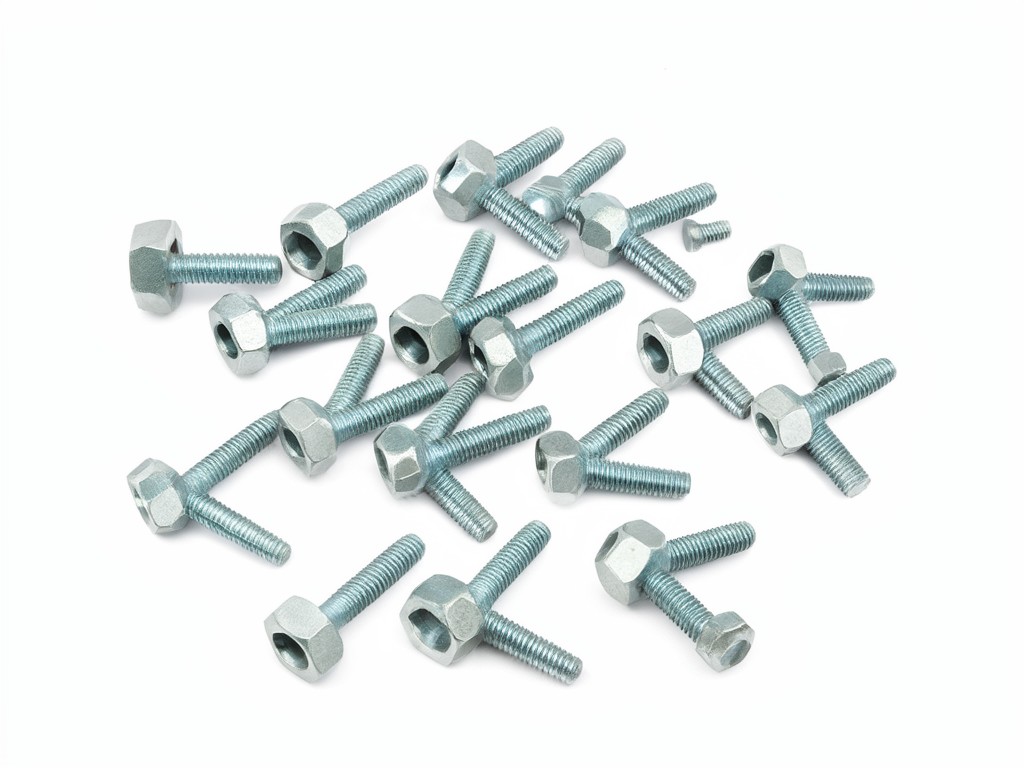
What Gets Checked Before Shipment
Shipment release should verify the dimensions that affect fit, the thread condition that affects assembly, and the finish that buyers see on receipt. Inspection frequency and acceptance limits should follow the approved drawing and purchase order. A retained sample and lot identification give both sides a reference if a later reorder shows a shift in dimensions or appearance.
| Inspection item | Factory check | Acceptance basis to agree |
|---|---|---|
| Thread and fit | Thread ring gauge check and visual review for damaged or incomplete threads. | Specified 1/4-20 thread fit and coating condition after finishing. |
| Head, flange, and length | Dimensional checks against the approved drawing, including under-head length and flange features. | Drawing tolerances and approved sample where appearance is specified. |
| Material and mechanical requirement | Material documentation and any agreed mechanical verification for the selected grade. | Grade and verification method stated in the buyer specification. |
| Finish and corrosion requirement | Visual finish review; corrosion testing can be arranged when the purchase specification defines the method and exposure time. | Agreed finish appearance, coverage, and any purchaser-defined corrosion test criteria. |
Testing should match the intended claim. A corrosion test is useful only when the method and exposure duration are agreed in advance; it does not replace correct material selection or confirm every service condition. Keep the inspection record tied to the production lot so incoming checks can be compared with the shipment documents.
Capacity, Tooling and Scheduling
Cold-heading capacity depends on the selected material, head and flange geometry, and the condition of available dies. Thread rolling follows forming, with finishing and inspection added to the route where specified. Standard configurations are generally easier to schedule than a custom flange profile or non-standard marking, which may require tooling review and sample approval first.
For a launch date, confirm the specification and packaging before the production slot is booked. Share the required quantity, delivery destination, target ship date, finish choice, and any inspection or carton-label requirements at quotation stage. The schedule can then account for material availability, forming, plating or other finish processing, final checks, and export packing; late changes to coating colour or pack configuration can move the ship date.
- Provide a dimensioned drawing or a complete specification with grade, thread, flange style, length, finish, and marking details.
- Approve the pre-production sample and finish appearance before bulk manufacture.
- Confirm carton quantity, lot identification, labels, and required shipping documents before packing begins.
Keeping Repeat Orders Supplied
Repeat supply depends on preserving the approved specification, not just the product name. Keep the drawing revision, sample reference, material grade, finish route, and packaging format attached to the purchase record. For stocked or forecast items, agree a call-off plan against expected demand; available stock varies by size, material, coating, and current production allocation.
When a reorder is urgent, confirm whether the requested lot can match the prior finish and packaging before release. Changes in plating source, colour passivation, or carton labelling can affect both appearance and receiving time. Contact the supplier with the prior order reference and target delivery date to check current stock and replenishment timing.
For a specification review, send the drawing or sample details, annual or launch quantity, finish preference, and required ship date. Discuss your 1/4-20 hex flange bolt requirements before tooling, finish, or packing decisions affect the production schedule.