Specifying Custom 316 stainless steel square u bolts Suppliers for Wholesale and OEM Orders
Cost and durability pull in opposite directions once a U-bolt faces outdoor exposure, washdown or chloride contact. Choosing 316 stainless steel can lower replacement and claim costs where corrosion threatens service life, but the grade alone does not resolve fit, finish or crevice-corrosion risks.
The Problem Buyers Keep Paying For
| Finish option | Appearance | Suitable buying condition | Trade-off to review |
|---|---|---|---|
| Formed and passivated | Natural stainless appearance | General industrial supply where function and repeat fit lead the purchase | Surface appearance can vary with forming marks and handling controls. |
| Mechanically polished, then passivated | Brighter, more uniform silver finish | Visible installations or product lines with appearance requirements | Extra finishing adds processing cost and should be defined against an approved sample. |
| Electropolished | Smoother, brighter surface | Orders where surface condition and cleanability merit the added process | It raises unit cost; it does not remove the need to manage trapped moisture at joints. |
Returns often start with a mismatch between the service environment and the ordered specification. Chloride residue can remain at the contact face or in a threaded connection after washing; UV exposure does not harm the stainless substrate, but it can affect nearby non-metal components. A finish selection should match the buyer’s cleaning routine and appearance target, not just the catalogue image.
Passivation supports the stainless surface condition after fabrication. It cannot compensate for poor drainage, contaminated handling or a design that holds salt and moisture against the metal.
What the Design Has to Balance
A square U-bolt must seat against the mating assembly without rocking or forcing the legs out of line. Buyers should specify inside width, inside length, rod diameter, leg length, thread length and the corner radius against the actual mounting surface. Small changes to the bend radius alter the fit at the corners; a sample check can catch that before a production order reaches the installer.
Specify the mating part and the measurement points, not only a nominal U-bolt size. If the assembly sees vibration or repeated removal, review thread engagement and nut selection with the load path; 316 grade does not set an allowable load by itself.
Rod diameter and leg length also affect mass and packing cost. Thicker rod may suit a higher-load design, but it adds material weight and can increase forming effort. Cut threads can be economical for some custom orders; rolled threads require compatible tooling and process planning, so confirm the preferred thread form and acceptance criteria before quoting.
Where This Product Beats Standard Alternatives
Against zinc-plated carbon steel, 316 stainless steel is often the more economical choice over the service life in wet, coastal or washdown settings. It avoids dependence on a sacrificial surface coating that can wear at contact points, threads or handling marks. The premium only pays back when corrosion-related replacement, labour or warranty exposure matters to the buyer.
Compared with 304 stainless steel, 316 contains molybdenum and generally offers better resistance to chloride-related pitting. Neither grade is immune to every chemical or to stagnant salt trapped in a tight crevice. For frequent chlorine exposure, salt deposits or aggressive cleaning agents, validate the actual concentration, temperature and rinse practice before treating grade selection as a complete corrosion-control plan.
- Choose 316 where exposure conditions make coating loss or corrosion claims a recurring cost.
- Keep the assembly drainable and accessible for rinsing when residue can collect beneath the saddle or around the threads.
- Use a lower-cost alternative only when the environment, expected service interval and buyer’s replacement model support it.
Comparing Two Standard Configurations
Both configurations can use 316 stainless steel. The practical choice is whether the buyer prioritises straightforward fit and cost control or a more controlled visible surface.
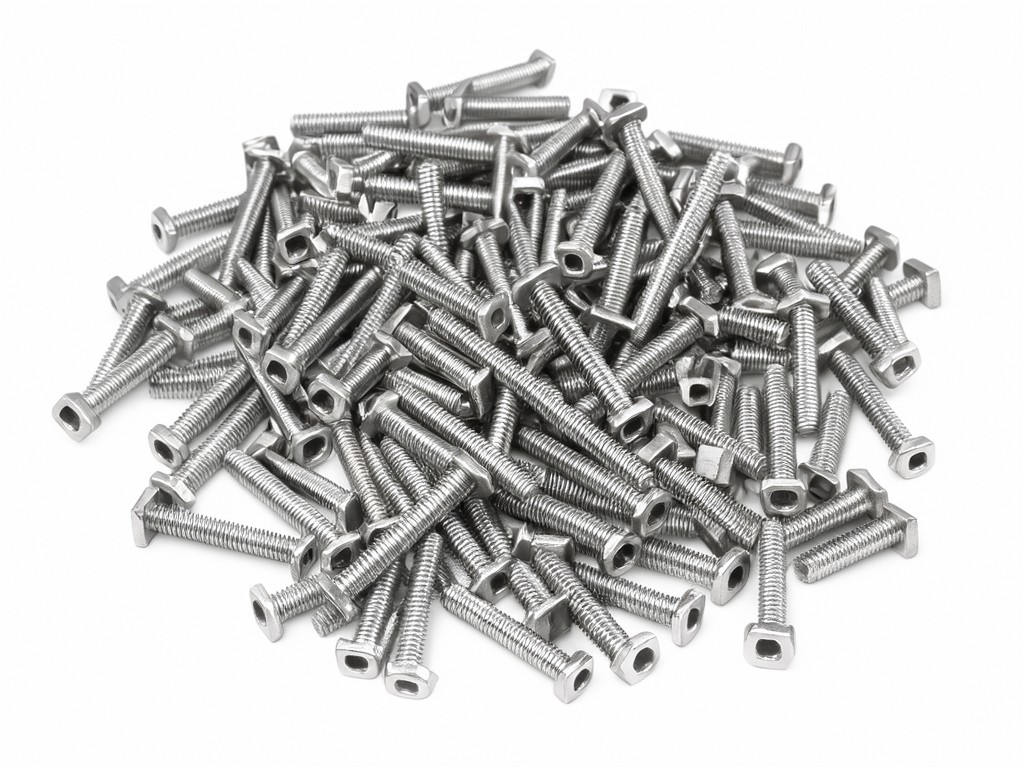
Formed U-Bolt With Standard Passivation
A practical fit for repeat industrial orders where dimensional conformity, thread condition and corrosion resistance carry more weight than a polished appearance. Keep the drawing and sample as the reference for bend geometry and leg alignment.
This route usually avoids the extra finishing steps of a polished part. Buyers should still define surface acceptance so forming marks do not become a batch-to-batch dispute.
Formed U-Bolt With Polished Finish
Use this option when the fastener remains visible or the buyer needs a consistent finish beside adjacent stainless components. Approve a physical sample under the intended lighting, since “bright” can mean different surface appearances to different suppliers.
Polishing adds process time and cost. It improves surface appearance, but it does not replace correct grade selection, passivation or sensible joint design.
Matching the Product to the Buyer's Need
Price the part against the costs that repeat: installation time, corrosion-related replacement, rejected fits and stock complexity. A single custom dimension may reduce assembly adjustments, while excessive size variation can leave a distributor with slow-moving inventory.
- For a private-label range, lock the drawing revision, grade identification and finish sample before artwork or packaging approval.
- For a distributor stocking common assemblies, prioritise stable dimensions and a small number of thread and leg-length combinations.
- For corrosive service, state the exposure and cleaning chemicals so the finish and application limits can be reviewed before the order is released.
- For weight-sensitive shipments, compare the specified rod diameter and carton count per pack rather than judging freight by piece price alone.
Who Uses It and Where It Matters
Marine equipment distributors and fabricators may specify 316 square U-bolts for supports exposed to salt-laden air and periodic washdown. The joint still needs drainage and inspection; salt left between the U-bolt and mounting surface can concentrate in a narrow gap.
Food-service equipment builders may use them on frames that receive routine detergent cleaning. The buyer should check chemical compatibility and rinse practice, then avoid a configuration that traps food residue or cleaning solution at the clamp point. Outdoor equipment makers also select stainless fasteners for rain and UV exposure, though adjacent seals, coatings or polymer parts may age on a different schedule.
For each application, document the mounting surface, expected load, exposure and service access. Those details help distinguish a corrosion-driven specification from a part that mainly needs a custom bend and thread arrangement.
Keeping Repeat Orders Supplied
Repeat-order control starts with a shared product definition. Keep the approved drawing, material description, finish reference and packaging instruction tied to the same part number and revision. A retained sample can help resolve appearance questions, but it should not replace measurable dimensions or agreed inspection points.
Before release, buyers can align on checks for rod diameter, inside dimensions, leg parallelism, thread length and visible surface condition. Batch identification on cartons or accompanying records supports traceability when a receiving inspection finds a fit issue.
For export packing, separate parts or protect contact surfaces where metal-on-metal movement could mark a polished finish. Confirm carton labelling, quantity per pack and moisture protection against the distributor’s receiving and shelf-storage conditions.
Ordering, Tooling and Lead-Time Questions
What information helps confirm the bend tooling?
Send a dimensioned drawing with rod diameter, inside width and length, bend radius, leg length, thread details and tolerances. A sample mating component or clear installation reference can clarify corner fit where the drawing alone leaves room for interpretation.
Does a custom size always require dedicated tooling?
Not necessarily. The forming setup depends on rod size, bend geometry and the range of dimensions already supported by available tooling. A tooling review can identify whether an existing setup is suitable or whether a dedicated fixture is needed; tooling cost and sample approval should be agreed before the production order.
What changes the production schedule?
Custom bend tooling, non-stock rod dimensions, polishing, thread requirements and sample revisions can all affect the schedule. Share the target order quantity, packaging format and approval route early so the supplier can confirm the production sequence for the actual specification rather than quote against an incomplete drawing.
Can the U-bolts carry private-label packaging?
Yes, subject to the supplier’s packaging options and artwork review. Provide the label files, required carton information, language versions and pack quantity before final approval. Keep the product drawing and label revision aligned so later replenishment orders match the approved item.
Review the Tooling Before You Commit
Send the drawing, sample or mating-part details for a tooling and specification review. Confirm the grade, finish, dimensional checkpoints and packing requirements together so the quoted unit cost reflects the product your customers will reorder.
Request a tooling review for your custom 316 stainless steel square U-bolt order