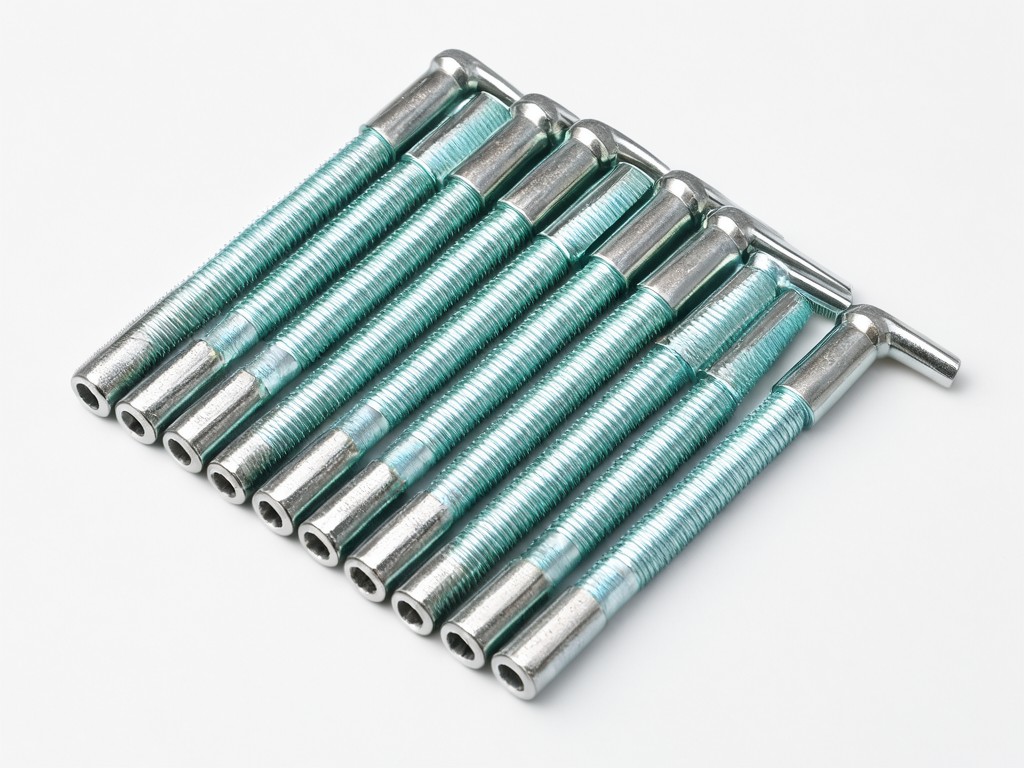
Custom 10 24 socket allen head bolts Factory: What Buyers Should Check Before Ordering
Before comparing quotations, confirm the fastener is a #10-24 UNC socket head cap screw and define its length, material, finish and thread coverage. A low price can be offset by head recess variation, poor thread fit or coating build-up that slows assembly and drives returns. Compare the delivered specification and batch controls, not the piece price alone.
For private-label and distribution programmes, consistency across repeat orders is part of the sellable product. A clear drawing and approved sample help keep wrench engagement, appearance and fit predictable from lot to lot.
Scope of Supply and Physical Form
The common product form is a socket head cap screw with a cylindrical head and internal hex drive. “10-24” identifies a #10 nominal thread size with 24 threads per inch; it does not define the screw length, head dimensions, material or finish. State those separately on the purchase drawing or specification.
Length is normally specified from the bearing surface under the head to the end. Buyers should also identify full or partial thread, end style, drive-recess requirements and whether the order is supplied in bulk, compartmented packs or branded retail packaging. If a mating part has limited thread depth, verify engagement on the actual assembly rather than relying on nominal length alone.
What the Design Has to Balance
Unit price and service life diverge when the material, recess and finish are selected separately rather than as one assembly specification. A harder steel option may suit higher clamp loads, while stainless steel may be selected for corrosion exposure; neither choice compensates for an unsuitable joint design or insufficient thread engagement.
Specify the assembled condition: identify the mating material, expected tightening method, access for the hex key and exposure to moisture or chemicals. A coating that improves corrosion resistance can also change thread fit or tool engagement if its thickness is not accounted for.
Installer feel matters at the drive: a key should seat fully without rocking or binding. Define recess fit and finish expectations against the tool used on the production line, especially when operators use powered drivers.
Construction Method and Its Effect on Consistency
A typical production route uses cold heading to form the blank and head, followed by socket formation, thread rolling and any required heat treatment or surface finishing. The selected route depends on material, geometry, order volume and the specified mechanical properties. Custom head features or tight cosmetic requirements can add setup and inspection steps, which affects unit cost and production timing.
For repeat orders, retain the approved drawing, material and finish description, sample reference and packaging details under one part number. Practical checks include thread gauging, dimensional sampling, visual review of the socket and finish, and verification of material or mechanical properties where the purchase specification calls for them. Agree the inspection scope before production so that acceptance decisions do not shift between lots.
Usage Scenarios and Buyer Segments
Unit price settles the question only after the joint’s service conditions are understood. Match the screw specification to the mating part, assembly frequency and environment; the table links common purchasing conditions to the failure complaints that can raise returns and warranty costs.
| Buyer’s Use Condition | Likely Complaint or Cost | Specification or Planning Control |
|---|---|---|
| Repeated assembly with hand or powered hex tools | Key slips or will not seat, slowing line work and marking the head | Define socket geometry and fit; approve samples using the intended tool and assembly method |
| Threading into a tapped component or nut with controlled engagement | Binding, loose fit or stripped mating threads create rework and replacement claims | Confirm #10-24 UNC, thread coverage, mating material and finish allowance; verify with suitable thread gauges |
| Outdoor, damp or chemically exposed service | Corrosion or finish change leads to early replacement and appearance complaints | Select material and finish for the actual exposure; state any required corrosion evaluation in the order specification |
| New private-label programme or custom head/finish request | Unclear MOQ or sample timing disrupts launch and inventory planning | MOQ depends on material, tooling and finish setup; confirm lead time after drawing review and sample approval |
Distributors benefit from stable pack counts and a consistent product identifier; procurement teams benefit when reorder specifications match the approved first lot. Keep the drawing revision and finish description visible on order records to limit substitutions that appear equivalent but behave differently in assembly.
OEM and ODM Programme Structure
An OEM order usually starts from the buyer’s drawing and approved material and finish requirements. ODM work can include adapting head details, length options, packaging or identification to suit a product range, subject to forming capability and tooling review.
- Send the thread designation, under-head length, head and recess dimensions, thread coverage, material, finish, quantity and packaging target.
- Review a pre-production sample for fit, wrench engagement, surface appearance and pack presentation before authorizing the main batch.
- Ask the factory to separate tooling or setup charges from recurring unit cost; a larger order can lower conversion cost but may increase inventory exposure.
Private-label artwork should be supplied in an agreed file format with placement and pack-count instructions. For reorder control, record approved revisions and identify any change to material source, forming route or finish before it enters production.
Care, Storage and Service Life
Keep stock dry and in closed packaging; moisture, handling residue or contact with incompatible materials can affect some finishes during storage. Separate lots and retain their labels so a field complaint can be traced to the relevant production batch.
During installation, use a correctly sized hex key and the tightening method specified for the joint. Reuse limits depend on the application and material condition; replace screws with damaged recesses, distorted threads or visible corrosion rather than forcing them into service. Actual service life depends on load, environment, mating components and assembly practice.
Discuss Your Project
Share the drawing, target annual volume, application conditions and packaging requirements for a specification and production review. Discuss your 10-24 socket head screw programme to align sample approval, MOQ and lead-time expectations before placing the first batch.