Buy 5 16 24 universal joint strap bolt For Sale - Bulk Supply and Specification Guide
What the Design Has to Balance
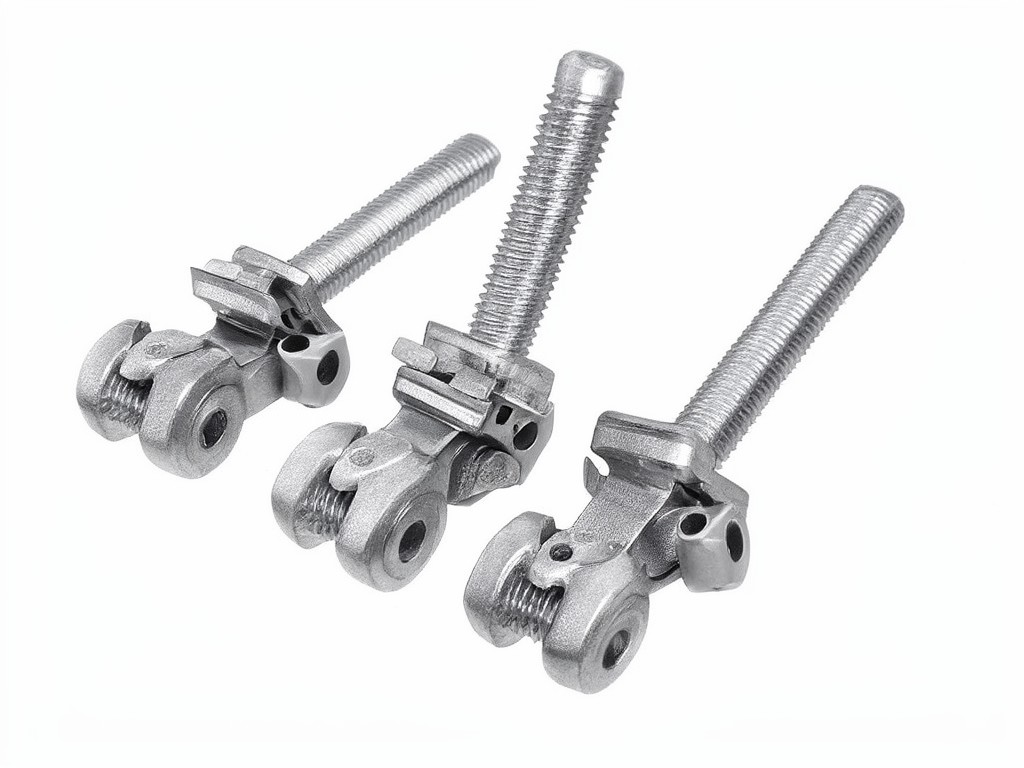
Balance and load analysis shows why a strap bolt cannot be selected by thread size alone. In a driveshaft universal joint, the bolt clamps a bearing-cap strap against the yoke; the correct underhead length and head form must let the strap seat squarely without bottoming in the tapped hole. A mismatch can leave the cap insufficiently retained, damage the threads, or create a repeat service complaint even when the nominal 5/16-24 thread appears correct.
Consistency depends on controlling the fit between the bolt, strap, cap and yoke as one assembly. Buyers qualifying a second source should compare approved samples against the installed part, including head clearance and seating, rather than treating a catalogue thread callout as complete fitment data. The decision rule is straightforward: keep the interface geometry and specified fastener properties fixed, then compare suppliers on repeatability, finish compatibility and landed cost.
Fitment control: 5/16-24 identifies nominal diameter and thread pitch, not the bolt’s usable length, head profile, material grade or coating. Lock those details to the vehicle application, assembly drawing or approved sample before a bulk order.
Construction Method and Its Effect on Consistency
For repeat-volume supply, a typical route uses cold heading for the bolt blank, followed by thread rolling and any specified heat treatment or surface finish. Rolled threads suit production fasteners because the process forms the thread without cutting away material; control of blank size, die condition and rolling setup still determines whether the finished thread gauges consistently. Heat treatment and coating requirements belong on the purchase specification, not in an assumed default.
Deflection under load governs whether the strap remains clamped at the joint. A bolt with the wrong strength properties, damaged threads or poor seating may lose clamp force or fail under service vibration; excessive tightening can also damage the yoke thread or strap. Set the bolt specification from the assembly requirement and retain the same mating parts during approval checks.
Rolled Thread Route
A fit for recurring production quantities where stable thread form and lot-to-lot process control matter. Die wear and setup changes need monitoring so the bolt continues to gauge and assemble as approved.
Specification Trade-Off
A defined strength grade and protective finish can add process and inspection cost. They are justified when the joint’s load requirement or storage environment calls for them; an unspecified upgrade may instead create fit, finish or sourcing variation.
Size, Weight and Specification Range
The 5/16-24 callout is a nominal 5/16-inch diameter with 24 threads per inch. It does not define a universal underhead length or finished weight: both vary with the strap, yoke depth, head style and finish. For second-source approval, specify those dimensions from the application drawing or a verified sample, then establish the accepted mass from that same configuration.
| Comparison Point | Controlled Specification | Performance or Complaint Risk |
|---|---|---|
| Thread | 5/16-24; confirm thread class and fit with the mating yoke | A thread mismatch can bind, loosen or strip the tapped hole. |
| Underhead length | Set from the strap-and-yoke assembly drawing or approved sample | Too short can reduce thread engagement; too long can bottom before the strap clamps. |
| Head and drive | Match strap recess, tool access and the assembly’s specified head profile | Poor seating or limited tool access can complicate installation and lead to uneven clamp-up. |
| Strength, finish and mass | Define grade, coating and approved-sample weight in the order specification | Uncontrolled substitutions can change corrosion behaviour, dimensions or the fastener’s load capacity. |
Usage Scenarios and Buyer Segments
Replacement-parts importers, driveline distributors and repair networks usually need application-specific stock with clear part identification. Fleet maintenance buyers tend to value repeatable fit across scheduled repairs, while production or remanufacturing programmes need controlled lot traceability and a stable approved configuration. In every channel, the bolt must retain the bearing-cap strap under the assembly’s specified installation conditions; it is not a substitute for checking worn straps, yokes or caps.
| Buyer / Usage Level | Typical Supply Need | Specification Priority |
|---|---|---|
| Parts distributor serving repair shops | Packaged service quantities and reliable application identification | Thread, length, head form and label accuracy to reduce wrong-part returns. |
| Fleet workshop or maintenance contractor | Repeat replenishment for vehicles with known joint and yoke configurations | Stable fit and batch identification for service records and reorder control. |
| Driveline remanufacturer or production buyer | Scheduled bulk lots tied to an assembly specification | Documented process controls, approved samples and change notification. |
OEM and ODM Programme Structure
A second-source programme starts with a controlled drawing or physical sample, not a broad request for a “5/16-24 universal joint bolt.” Record the thread, underhead length, head and drive geometry, material or strength requirement, finish, packaging unit and inspection criteria. For ODM work, a sample can establish missing dimensions, but the buyer should approve the final drawing and any fit-critical tolerances before production.
Tooling and process changes affect unit cost and lead time. A standard production route may suit a confirmed geometry; a custom head profile, special coating or new gauge requirement can add setup, sample and validation steps. Agree how revisions, substitute materials and nonconforming lots will be handled before placing repeat orders.
- Provide a drawing, application reference or approved sample, plus annual demand and target order quantity.
- Identify critical-to-fit dimensions and which checks must appear on the shipment record.
- Confirm sample approval, branding or private-label needs, carton quantity and reorder lead-time assumptions.
What Gets Checked Before Shipment
Inspection should catch the defects that create installation delays or early returns: wrong thread pitch, length drift, damaged head drive, burrs, incomplete thread form and finish damage. Thread gauges verify the specified thread; dimensional checks compare critical features with the approved drawing; visual checks cover surface condition and handling marks. The sampling plan and acceptance limits should be agreed with the buyer.
Where the purchase specification calls for it, the supplier can document material or mechanical-property checks and coating inspection. Torque trials belong to a defined assembly setup with the correct strap, yoke and installation procedure; a torque result from an unrelated fixture does not prove vehicle fit. Retain lot identification so a complaint can be traced to production and inspection records.
Approval checkpoint: compare the first production sample with the signed-off reference for thread fit, underhead length, seating and finish. Do not release a substitute coating or fastener grade without buyer approval.
Packing, Marking and Freight Configuration
Bulk fasteners need packaging that limits part-to-part abrasion and keeps small bolts contained through export handling. Choose inner-pack quantities that suit warehouse picking or service kits, then use a closed carton with protection appropriate to the selected finish. If corrosion protection is required, specify the packaging method and storage interval rather than relying on the carton alone.
Mark cartons with the buyer’s part number, description, quantity, purchase-order reference and lot code as agreed. Keep mixed sizes and finishes in separate, identifiable packs; that simple separation prevents the wrong bolt from reaching the repair bench. Confirm carton dimensions and gross weight against the freight plan before shipment booking.
Care, Storage and Service Life
Moisture, damaged packaging and contact with incompatible chemicals can mark or corrode a protective finish before installation. Store cartons dry, off the floor and in their original packaging until issue; rotate stock by lot where the programme requires traceability. Inspect for rust, damaged threads or deformed drive recesses before assembly, and quarantine suspect parts.
In service, follow the vehicle or joint manufacturer’s installation procedure and torque specification. Recheck the strap and yoke condition if a bolt loosens, breaks or shows thread damage; replacing the bolt alone will not correct a worn mating part or an assembly fault. Replace fasteners according to the applicable service instructions, especially after damage or an event that compromises the threads.
Request a quotation review
Send the application drawing or approved sample, expected annual volume, target order quantity and packaging needs. A specification review can identify fit-critical details before pricing, sample approval and second-source qualification. Contact us to review your quotation requirements.