Bespoke brass allen head bolts factory - Bulk Supply and Specification Guide
Unit price settles the question only after the drawing, sample and inspection basis are fixed. For buyers working toward a club launch or retail dispatch date, an unclear head dimension or thread callout can cost more time than the difference between two quotations.
Bespoke brass socket-head bolts are typically produced from brass bar by CNC turning, followed by socket machining and thread cutting. That route suits non-standard lengths, head geometry and small-to-medium production runs. The production date depends on when the supplier receives a complete drawing and when the first-off sample is approved.
Where This Product Beats Standard Alternatives
| Configuration decision | What changes versus stock hardware | Buyer trade-off |
|---|---|---|
| Non-standard length or shoulder | The bolt can match the joint stack rather than relying on a washer or a longer stock bolt. | Custom machining adds setup cost; it can reduce assembly adjustments and part substitutions. |
| Brass body with an internal hex drive | The material and drive geometry suit assemblies where appearance, conductivity or resistance to ordinary atmospheric corrosion matters. | Brass has lower strength than steel; confirm the required clamp load and avoid specifying it as a direct substitute in a highly loaded joint. |
| Specified head profile or finish | Head height, diameter, socket depth and surface appearance can be set against the mating part and product presentation. | Extra finishing or tighter dimensional controls affect unit cost and should be agreed before sample approval. |
Two suppliers quoting the same specification may still price different work. Check whether the quote covers the same brass grade, thread form, socket depth, finish, inspection scope and packing method. A low quote based on an assumed standard head or an unspecified alloy can turn into a drawing revision after the order is placed.
Schedule gate: agree the controlled drawing revision, material grade, finish and sample sign-off route before booking the production slot. Late changes to socket depth, head dimensions or plating can require new setup and another approval round.
Specification Range and Customisation Limits
Before comparing quotations, provide a dimensioned drawing with the thread designation, length measurement point, head diameter and height, socket size and depth, and any shoulder or under-head feature. A 2D drawing is the production reference; a 3D file can clarify form but should not replace written tolerances or thread details.
Available dimensions depend on bar stock, tool access and the ratio between bolt length and diameter. Metric and inch threads can be quoted, but they should not be treated as interchangeable. Specify the brass grade rather than relying on the generic word “brass”; if the application has a load, conductivity or regulatory requirement, provide that requirement for material review before sampling.
Set tolerances around fit and function. Tightening every dimension can increase machining time and inspection work without improving the assembly. Identify critical dimensions on the drawing, then approve those same features on the sample.
Assumptions Buyers Should Stop Making
A sample that looks right is not automatically a production specification. The drawing and approved sample need to agree on the details that affect assembly, finish and fit.
Assumption: “Allen head” defines the socket
It does not define socket width across flats, depth, corner form or the key engagement required. State the socket dimensions and check fit with the intended hex key. A shallow socket or loose key fit can damage the drive before the joint reaches its intended clamp load.
Assumption: brass can replace steel one for one
Brass has different strength and thread-stripping limits from steel. If the joint carries significant load, cycles repeatedly or is tightened to a defined torque, share the use conditions so the material and dimensions can be reviewed before production approval.
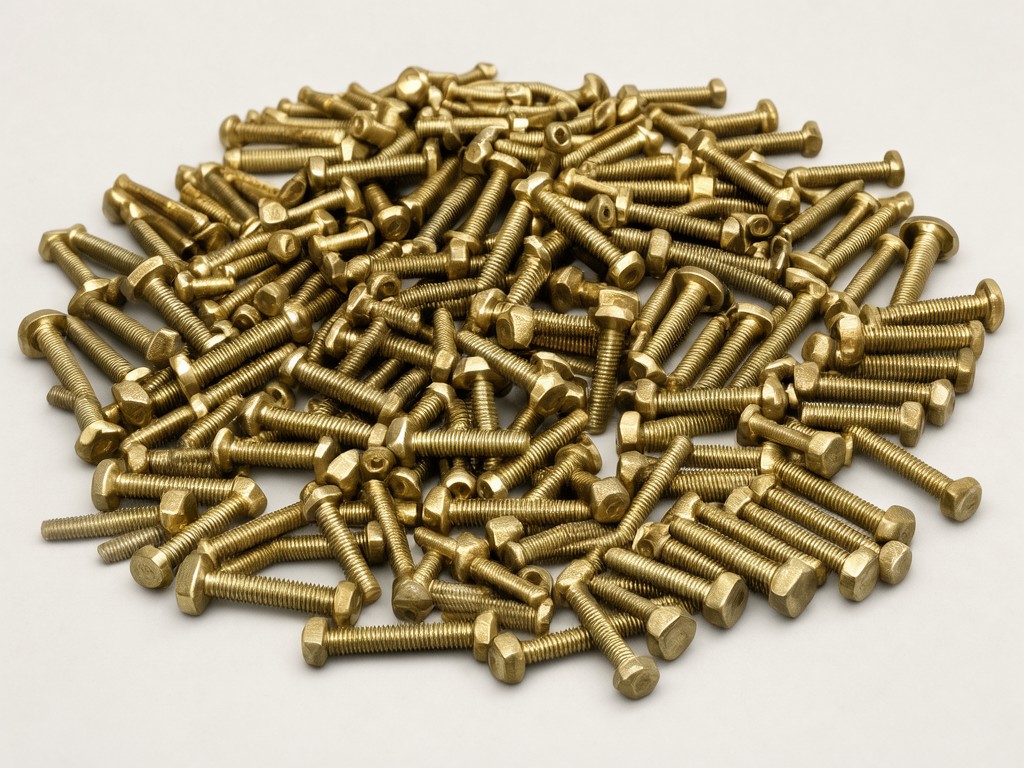
A finish also changes the finished dimensions. For plated parts, state which surfaces are plated and whether dimensions apply before or after plating. For natural or polished brass, agree the acceptable colour and surface appearance against a reference sample; batches can show shade variation.
What Gets Checked Before Shipment
Shipment checks should use the approved drawing and purchase specification as the release basis. Agree the sampling level and any required records before the order enters production; extra checks requested after manufacture can affect dispatch timing.
| Inspection item | Practical check | Release basis |
|---|---|---|
| Head, length and shoulder dimensions | Measure against the drawing, including the defined length datum and any critical fit dimensions. | Approved drawing revision and agreed tolerances. |
| Thread form and fit | Check with the specified thread gauges or a matching verified mating part. | Thread designation and tolerance stated on the purchase drawing. |
| Socket drive | Check socket width and depth, then confirm engagement with the nominated hex key. | Socket dimensions and sample-approved key fit. |
| Material, finish and packing | Review the agreed material documentation where requested, surface condition, finish coverage, count and export packing. | Purchase specification, approved appearance sample and packing instruction. |
Questions Buyers Ask Before Ordering
What information is needed to quote a bespoke bolt?
Send a dimensioned drawing with the material grade, thread designation, critical tolerances, finish and order quantity. Include a mating-part detail or assembly note if socket access, shoulder fit or installed appearance affects the design.
Can a sample be approved before the full batch?
Yes. The sample should be checked against the controlled drawing, including thread engagement, socket fit and finish. Record approval against the drawing revision; any later change to dimensions or surface treatment should be reviewed as a new approval step.
What determines MOQ and dispatch timing?
Batch size depends on setup, material availability, machining time and any finishing or inspection steps. A confirmed drawing and prompt sample feedback reduce avoidable schedule changes, but the supplier should confirm the production slot and dispatch plan against the agreed scope.
Can the bolt head carry a brand mark?
Marking may be possible if the head diameter and production method allow it. Provide vector artwork and the required mark position, then approve a sample for legibility and appearance before the bulk run.
Discuss Your Project
Send the drawing, target quantity, required delivery window and any sample or packing requirements for a scope review. A confirmed specification gives both sides a clear basis for quotation, approval and shipment planning. Discuss your brass bolt project.